Last updated November 21, 2026
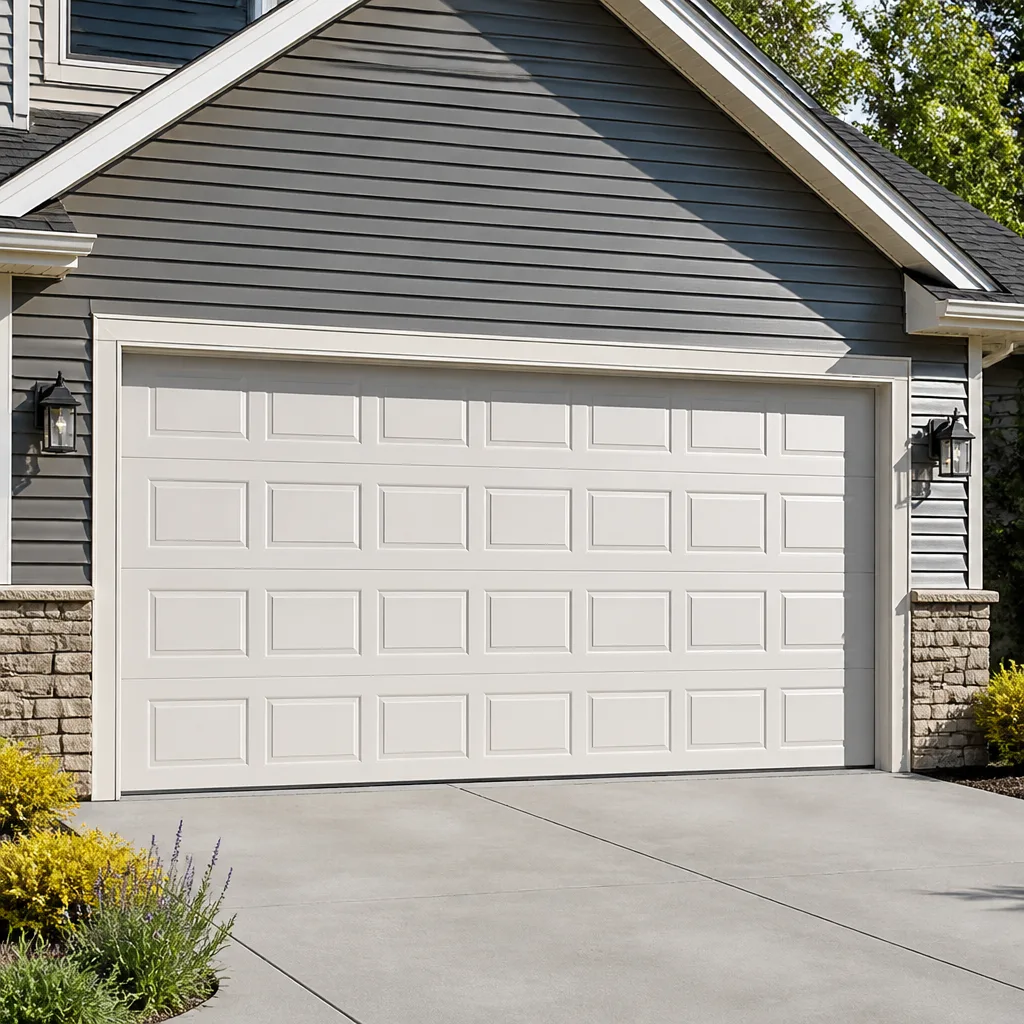 Raised-panel steel
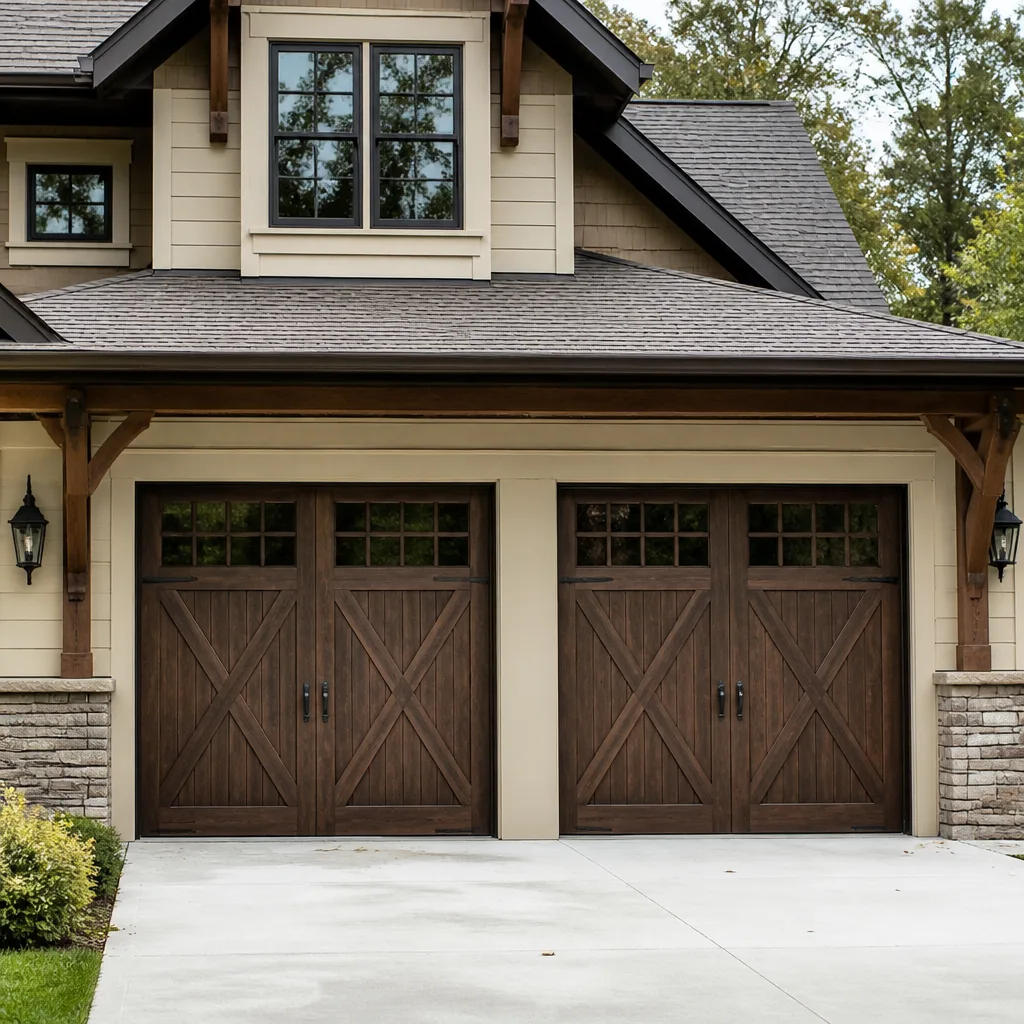 Carriage house
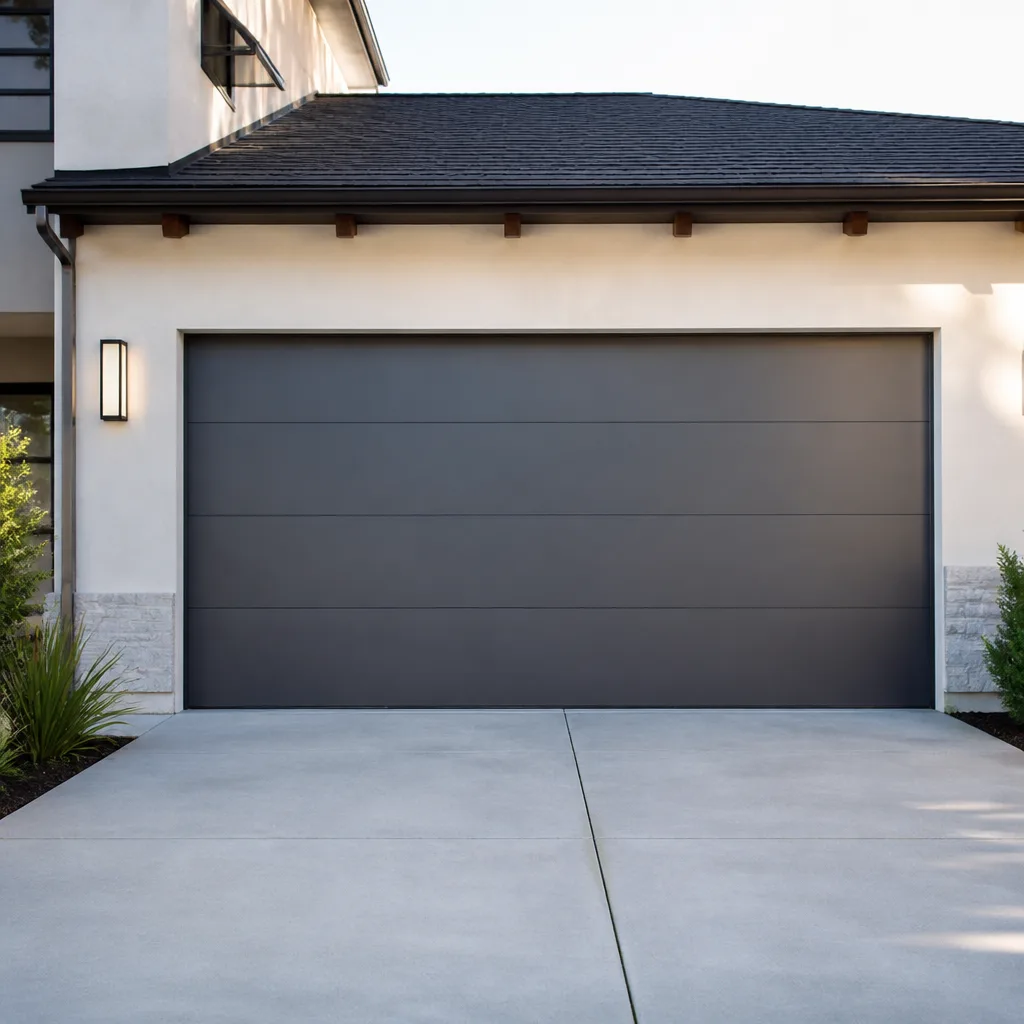 Modern flush
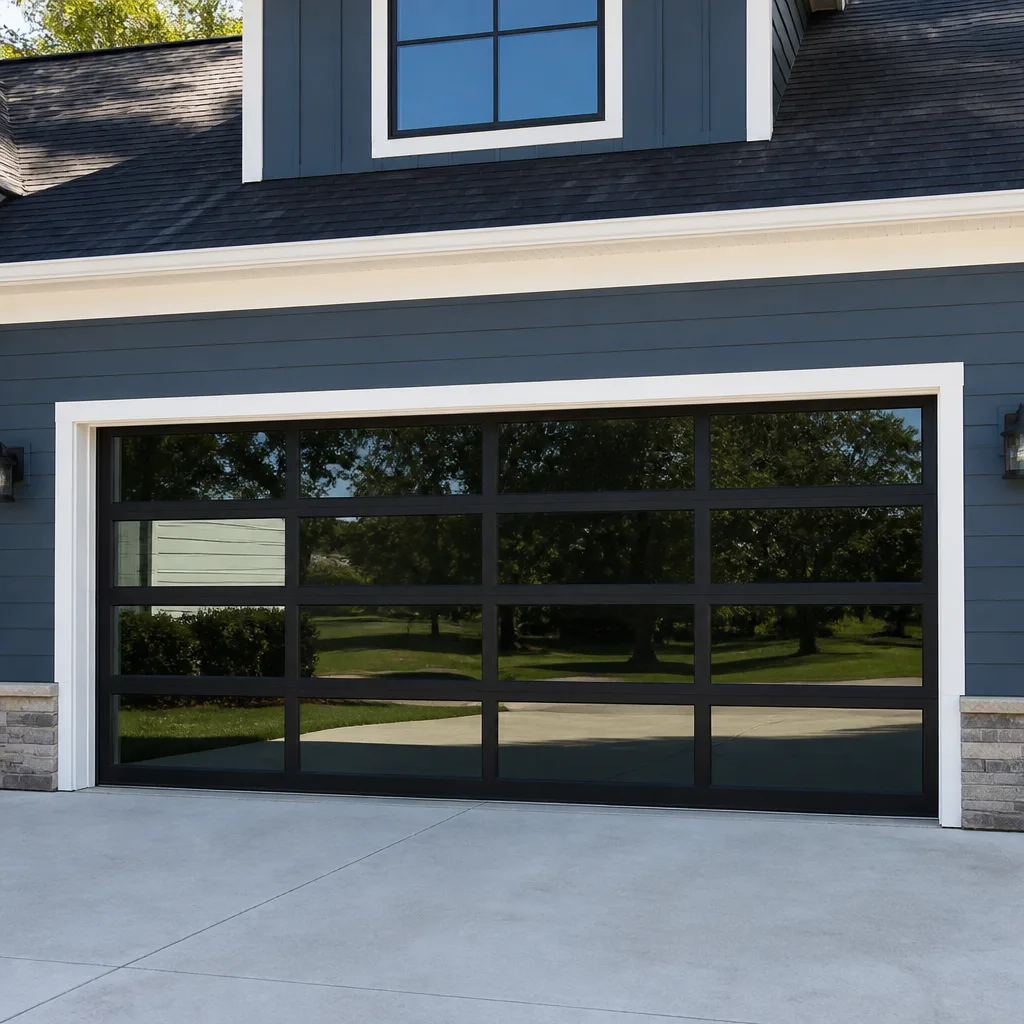 Full-view glass
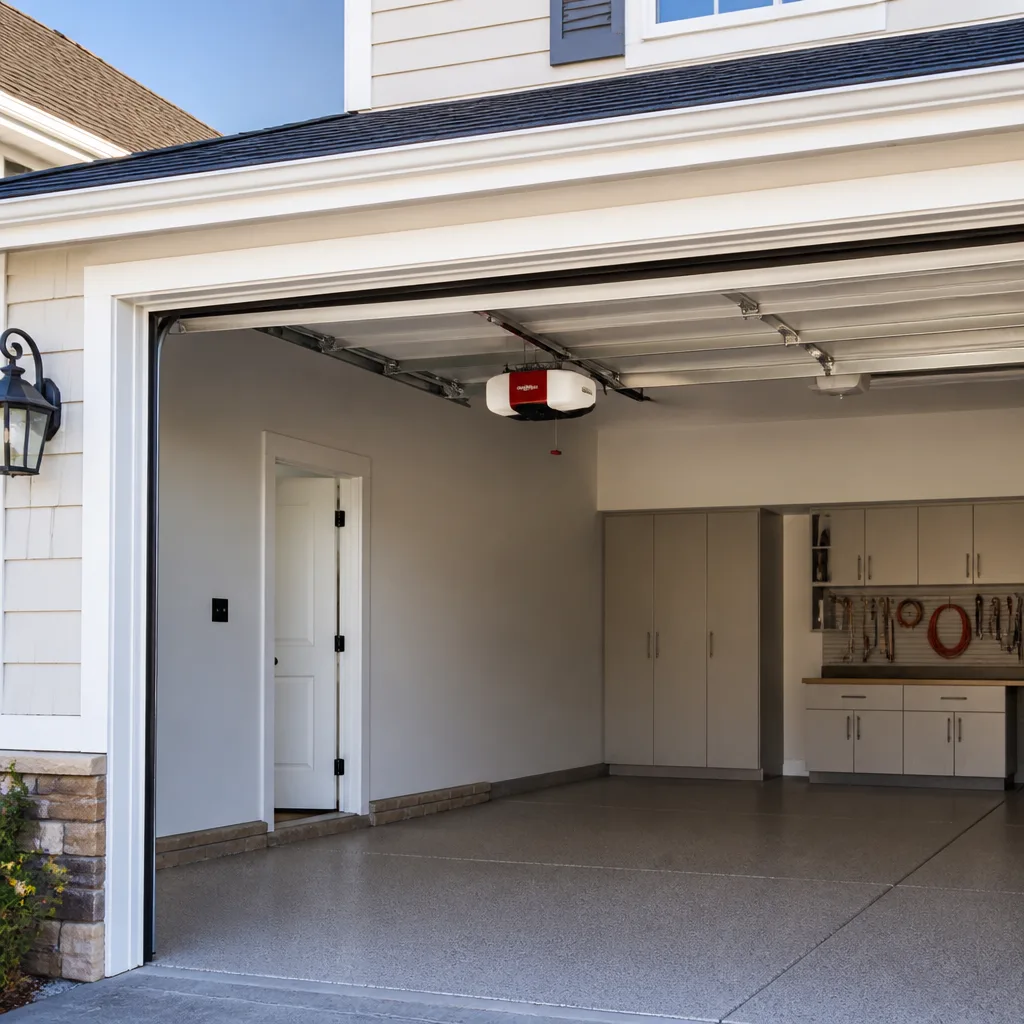 LiftMaster openers
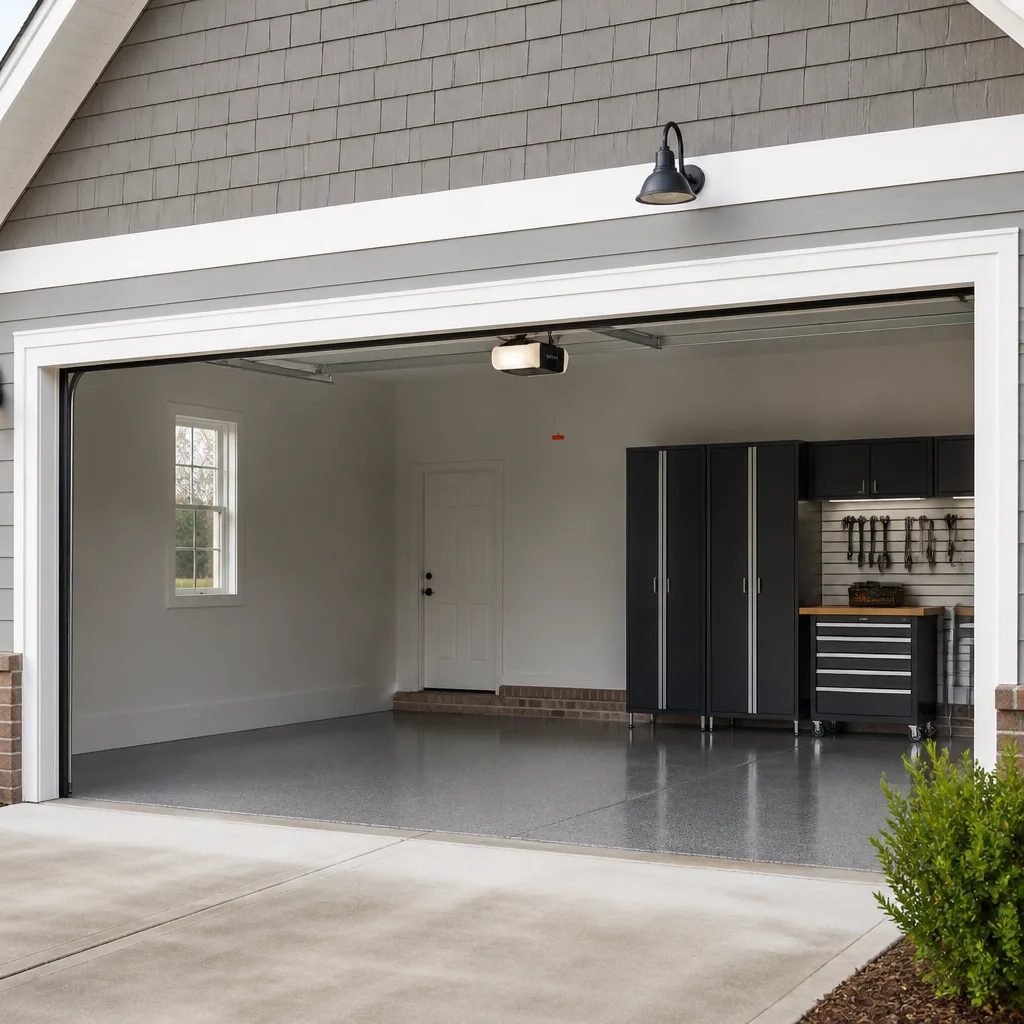 Chamberlain openers
Full 25-point door and opener safety check with every visit - springs, cables, rollers, tracks, and your LiftMaster or Chamberlain opener included
You get a price before we start. It does not change when the pro arrives.
Get your free estimateSeasonal Garage Door Care for Missouri City: Year-Round Homeowner’s Guide
Most garage door care guides are written for places that spend January buried in snow. Missouri City doesn’t live in that world. Our winters are mild, our springs don’t freeze, and a garage door here rarely fails because of ice. What does break a door in Fort Bend County is heat. A June afternoon can push the heat index past 105°F, and that bakes the grease out of rollers, softens seals, and stresses the opener motor day after day. The seasonal calendar that actually matters in Missouri City runs from hurricane season through the wet spring, not from first frost to thaw. This guide lays out that schedule month by month, so you know what to check, when to check it, and when a small issue is quietly turning into a big repair.
Quick Answer
Garage door care in Missouri City should follow a summer-heat and hurricane-season calendar, not a northern winter one. Before hurricane season in May, inspect and reinforce your door, clear the tracks, and photograph the whole system for insurance. In summer, watch for baked grease, stiff springs, and warped weather seals. After storm season, check for slow damage that shows up in October. In spring, deal with humidity-driven rust and pollen-clogged tracks. Real winter here needs only a light check, because cold snaps are brief and mild.
Styles & brands we work with
- Raised-panel steel
- Carriage house
- Modern flush
- Full-view glass
- LiftMaster openers
- Chamberlain openers
Table of Contents
- Why the Care Calendar Here Is Different
- Pre-Hurricane Season Checklist (May)
- Summer Heat Protocol: Openers, Springs, and Seals
- Fall Recovery: Damage That Shows Up in October
- Winter Reality Check: What Cold Snaps Actually Do
- Spring Prep: Humidity, Rust, and Pollen
- The Full Seasonal Schedule at a Glance
- Common Mistakes to Avoid
- When to Call a Professional
- Frequently Asked Questions
Why the Care Calendar Here Is Different
If you moved to Missouri City from the Midwest or Northeast, the garage door advice you learned there doesn’t translate. In colder states, the dominant threat is the freeze-and-thaw cycle, which cracks concrete, splits wood, and stiffens metal. Our winters stay mild enough that a door rarely sees a hard, sustained freeze. That means the fears that fill northern forums – frozen springs, cracked panels from ice, doors that won’t budge after a storm – are mostly not your problem here.
What is your problem is the opposite end of the thermometer. Missouri City sits in a climate that runs hot and humid for a large part of the year, and that combination attacks the door system in specific, predictable ways:
- Heat degrades lubricant. The grease on rollers, hinges, and tracks thins out and migrates, so moving parts start grinding long before they fail.
- Heat fatigues springs. Torsion and extension springs are under constant tension, and repeated high-heat days shorten their working life. This is one reason spring replacement is such a common job in the area.
- Humidity drives rust. Metal tracks, hinges, and fasteners corrode faster in a humid climate, especially in garages that aren’t air-conditioned.
- Hurricane season is a real threat. Summer and early fall bring the risk of named storms, and your garage door is part of your building envelope. If wind gets in, pressure builds inside and the stakes climb fast.
Add in the local housing mix – brick-and-siding homes, attached garages, doors that face south or west into the afternoon sun – and you get a system that needs attention on a different schedule. The good news is that the tasks are straightforward once you know what to look for. For anything that needs a hands-on repair rather than routine care, Missouri City Garage Door Repair is where homeowners here turn when they’d rather have it done right the first time.
Pre-Hurricane Season Checklist (May)
Hurricane season begins in June. May is your window to get the garage door ready, and it matters more than most homeowners realize. A garage door is often the largest opening in a house. When wind forces it in, the garage becomes a pressure vessel and the damage can spread to the roof and walls. You can’t make a standard door hurricane-rated, but you can make sure it’s sound, sealed, and documented before a storm is on the radar.
Here’s what to inspect and take care of each May:
- Walk the whole door and look for weak points. Check panels for cracks, dents, or separation at the seams. On doors like Clopay and Amarr models, look closely at the bottom section, which takes the most abuse from wind-driven rain and heat.
- Test that the door seats fully closed. With the door down, check that the bottom seal touches the floor evenly along its length. A gap is water intrusion now and a weak point under wind load later.
- Confirm the balance. Disconnect the opener and lift the door by hand halfway. It should stay put. A door that slams down or feels heavy needs a spring check – don’t keep forcing it.
- Clear and lubricate the tracks. Wipe out grit and debris, then apply a garage-door-rated lubricant to the moving parts, not the track surface itself.
- Check the pull-down and lock. If you have a manual lock or latch, confirm it engages cleanly. If you’re going to be away during a storm, you may want to lock the door from the inside.
- Photograph the whole system. A set of clear photos of the door, opener, springs, and hardware is the easiest documentation to have on hand if you ever need to file a claim.
If your door is older, noisy, or already showing a bent track or a sagging panel, May is the right time to get it assessed rather than waiting for a storm warning. A quick tune-up now is far cheaper than emergency repairs after wind damage.
Summer Heat Protocol: Openers, Springs, and Seals
Summer is the stretch that stresses a garage door in Missouri City more than any other season. When the heat index climbs past 105°F, the inside of a closed garage can run even hotter. Everything in the system feels it: the opener motor, the lubricant, the springs, and the rubber seals.
Openers
The opener motor is working harder in summer for a few reasons. Heat thins the lubricant on the chain or belt and on the door’s moving parts, raising the effort needed to move the door. A motor that’s already near the end of its life may start reversing, straining, or overheating. If you notice the door jerking, reversing partway, or the opener sounding labored, don’t ignore it. Our garage door opener repair addresses both legacy and smart systems, including LiftMaster and Chamberlain MyQ-compatible openers, so we can diagnose the motor and the door it’s trying to move together. A smart opener that’s set to run on a schedule is worth re-checking in summer, since heat changes the timing of the door’s travel.
Springs
Torsion and extension springs are the hardest-working parts on the door. They carry the full weight, cycle after cycle, and heat shortens their life. If you hear a loud bang from the garage, a spring has likely snapped. This is not a DIY repair. Garage door springs are under extreme tension, and a badly handled spring or cable can cause serious injury. Leave spring work to a trained technician with the right tools. Our garage door spring repair is handled by technicians trained specifically for this job. One spring is priced separately from a matched pair, since a pair costs about twice a single spring.
Weather Seals
The bottom seal and the perimeter weatherstripping take a beating. Prolonged heat warps the rubber, especially on south- and west-facing doors that sit in direct sun, leaving gaps that let in water, dirt, and small pests. If the seal feels stiff or looks cracked and uneven, it’s time to replace it. This is a low-cost fix that protects the rest of the system.
Fall Recovery: Damage That Shows Up in October
By October, storm season is winding down and the weather starts to ease. This is when a lot of homeowners notice problems they blame on age. In our experience, that fall “my door is just getting old” feeling is usually the accumulation of small damage from the hot, stormy months finally showing up.
Here’s what to look for during your fall inspection:
- Slow rust. After a humid summer, hinges, rollers, and track fasteners may show rust you didn’t notice in May. Catch it now with cleaning and a fresh application of lubricant before it spreads.
- Worn or misaligned rollers. Heat and use flatten the roller surface, and grit in the tracks wears them unevenly. A door that staggers or pops as it travels usually points to rollers worth replacing.
- Panel and track misalignment. If a storm bumped the door against its stops, the track can bend slightly. That causes binding now and door failure later.
- Opener strain that built quietly. A motor that did a little extra work every hot day may now be running slow, reversing, or leaving the door not quite closed. That’s a security issue, not a minor inconvenience.
- Weatherstripping that never recovered. Heat-warped seals don’t spring back when the weather cools. If there’s a gap at the bottom, replace it before the wet season.
Fall is also when homeowners start thinking about upgrades. If your door is older, dented, and hard to keep sealed, an insulation and hardware review is a chance to decide whether repair or replacement makes more sense. We work on the brand you already own across Clopay, Amarr, Wayne Dalton, and Craftsman, so we can advise without pushing a switch to something unfamiliar.
Winter Reality Check: What Cold Snaps Actually Do
Missouri City winters are mild, and that’s good news for your garage door. A lot of the advice homeowners read online doesn’t apply here, and it’s worth knowing exactly what you can stop worrying about.
What you don’t need to lose sleep over
- Frozen springs. Springs don’t freeze in a standard garage here. That’s a northern-climate failure mode tied to sustained deep cold.
- Ice-damaged weather seals. With a handful of brief cold snaps, your bottom seal won’t freeze into the floor and tear the way it does in places with a real frost season.
- Snow load on the roof. Not a factor in the local climate.
What a cold snap does actually affect
- Metal contraction. Brief cold can tighten moving parts, so a door may feel slightly stiff or noisier for a few days. It usually eases as it warms back up.
- Lubricant that got too thin. Summer heat may have left your lubricant thin, so a cold morning can make moving parts sound worse. A light re-lube solves it.
- Battery backup. If your opener has a battery backup, this is a good time to check it. A cold snap plus a power outage is when a dead battery actually bites.
So winter isn’t a crisis season here. It’s a maintenance window. Use it for a low-stakes checkup and to catch anything that last summer left behind.
Spring Prep: Humidity, Rust, and Pollen
Spring in Missouri City means rain and rising humidity. It also means the growth season kicks in, and that’s a mixed bag for a garage door. The two biggest spring jobs are rust prevention and pollen removal.
Fight the rust
When humidity climbs and the garage stays closed, condensation on metal surfaces promotes rust. Focus on hinges, rollers, the lower track, and any fasteners. Wipe down visible rust, apply a garage-door-rated lubricant, and don’t overlook the bottom section where the track meets the floor – that’s where moisture collects.
Clear the tracks
Spring brings pollen and debris. Pollen, grass clippings, and fine grit collect in the tracks, and once there’s enough, they cause the door to bind, wear out rollers, and strain the opener. A clean, dry cloth and a shop vacuum along the track channels do the job. Do not lubricate the track surface itself, since that attracts still more grit.
Watch the weatherstripping
The wet-dry cycle of spring is hard on seals. Rubber swells with moisture, then dries and shrinks, so a seal that looked fine a few weeks ago can start curling or losing contact with the floor. Check for gaps and replace seals that aren’t sealing anymore.
The nice part about a spring reset is that it also serves as a natural point to schedule a tune-up before the hot summer starts. If it’s been a while since the door was serviced and it’s sounding tired, take the cue. Call (855) 765-7303 to arrange a free estimate for anything that needs more than routine care.
The Full Seasonal Schedule at a Glance
Here’s the whole calendar in one place, so you can clip it to the fridge or set a phone reminder for each season:
- May (pre-hurricane): Inspect panels and seals, test balance, clear and lubricate tracks, confirm the lock, photograph the system for insurance.
- June-August (summer heat): Watch for opener strain and reversing; check for spring noise or failure; replace warped weather seals; keep movable parts lubricated.
- September-October (fall recovery): Check for slow rust, worn rollers, track misalignment, and opener strain; replace any seal that never recovered from the heat; decide on repair vs. replacement.
- December-February (winter): Light check for stiffness and noise; re-lubricate; verify battery backup; don’t expect or fear the northern-style winter failures.
- March-April (spring prep): Focus on rust prevention, pollen-clogged track cleaning, and weatherstripping swelling; schedule a pre-summer tune-up.
Set a reminder for the first of each of these months. Doing a ten-minute visual check now saves a costly repair call later.
Common Mistakes to Avoid
- Following northern-state winter advice. If you moved here from a cold climate, don’t apply the same winter prep. Fears about frozen springs and frozen seals don’t fit Missouri City; spend that energy on summer heat and storm season instead.
- Using the wrong lubricant. Common household oils or grease gum up or attract grit. Use a garage-door-rated product, and keep the track surface itself dry.
- Leaving heat damage to “sort itself out.” A warped bottom seal or thinning lubricant won’t improve with time. In a Missouri City summer, small issues become bigger ones, fast.
- Skipping the May prep because the sky is clear. Hurricane season is about readiness, not just storms on the horizon. Inspecting and reinforcing in May is when you have the time to do it right.
- Attempting spring repair yourself. High-tension springs are among the most injury-prone repairs in home maintenance. This is one job to hand to a trained technician, no exceptions.
- Ignoring a door that won’t close. In summer storm season and year-round, a door that won’t close is a security gap and a water intrusion problem. Don’t let it linger.
- Treating fall noises as “just age.” The grinding and rumbling that shows up in October is often accumulated wear from the summer. That’s fixable now; it gets expensive if you wait.
When to Call a Professional
Some seasonal care is squarely a homeowner task: wiping down tracks, checking seals, exercising the opener. But other situations call for a trained technician, and it’s worth knowing the line between them. Call a professional if any of these sound familiar: a loud snap or bang from the garage (likely a broken spring); a door that reverses partway or won’t stay closed; a heavy, sluggish door that’s hard to lift by hand; a bent track or misaligned panel; a grinding or popping sound that doesn’t clear up after a lube; rust that’s spreading across hinges and tracks; or a door that’s simply over a decade old and has never been serviced. High-tension springs, track alignment, and opener motor faults are all repairs best left to someone trained for the job.
Our technicians are trained to service LiftMaster, Chamberlain, Genie, Clopay, Amarr, Wayne Dalton, Craftsman, and Raynor systems, and technicians have up to 8 years of experience. That’s a deep enough bench to diagnose both a legacy opener and a modern smart system. If a garage door fails and you can’t wait for a scheduled visit, emergency service is a genuine part of what we offer – a door that won’t close isn’t something to leave overnight. Missouri City Garage Door Repair offers free estimates in Missouri City. Every price is quoted and agreed before any work starts. Call (855) 765-7303.
Frequently Asked Questions
We recommend a full tune-up at least once a year, ideally in the spring or fall so it lands between the heat of summer and storm season. Between professional services, do a quick visual check each season. In this climate, the summer heat and year-round humidity do more wear than winter does, so pay close attention going into summer.
Heat-related opener strain and worn weather seals are the most common. When the heat index tops 105°F, thin lubricant, a tired motor, and rubber seals that soften and warp all show up. Springs also fatigue faster in sustained heat. If you notice a door that’s noisy, slow, or not sealing, call (855) 765-7303 for an exact quote – estimates are free.
Not the way a homeowner in a cold climate does. Missouri City winters are mild, so frozen springs and ice-damaged seals aren’t realistic concerns. A cold snap mostly means slightly stiff metal and a re-lube. Use winter as a quiet maintenance window: check for noise, verify any battery backup, and catch anything summer left behind.
Emergency service is part of what we offer, so a door that won’t close or a broken spring can usually be seen quickly. We treat a door that won’t close as a priority since it’s a security gap. Call (855) 765-7303 to check availability – estimates are free.
No. We quote the price before any work starts, and the written estimate sets the final price. The ranges we give are estimates based on what’s typical, and the written quote is what you pay. Payment is per job by estimate.
The local professionals we connect you with are licensed and insured as their state requires. Our technicians have up to 8 years of experience, and every job is handled by someone who specializes in garage doors rather than general handyman work. Call (855) 765-7303 for a free estimate before any work is scheduled.
The Bottom Line
Garage door care in Missouri City runs on a heat-and-humidity calendar, not a winter one. The seasons that matter most are the summer months, when heat strains openers, springs, and seals, and the hurricane season that runs from June. Your year-round routine comes down to four moves: prepare in May, protect through summer, recover in fall, and reset in spring. Keep the door clean, lubricated, and well-sealed, and leave the springs and alignment to a trained technician. Done consistently, that routine keeps a door closing the way it should all year.
If this season’s checkup turns up something that needs a hands-on repair, or you’d rather have a pro look the whole system over, give us a call. Missouri City Garage Door Repair handles everything from a snapped spring to a full new door, works on the brands you already own, and quotes the price before any work begins. Call (855) 765-7303 for a free estimate.
Written by the team at Missouri City Garage Door Repair.
See the difference
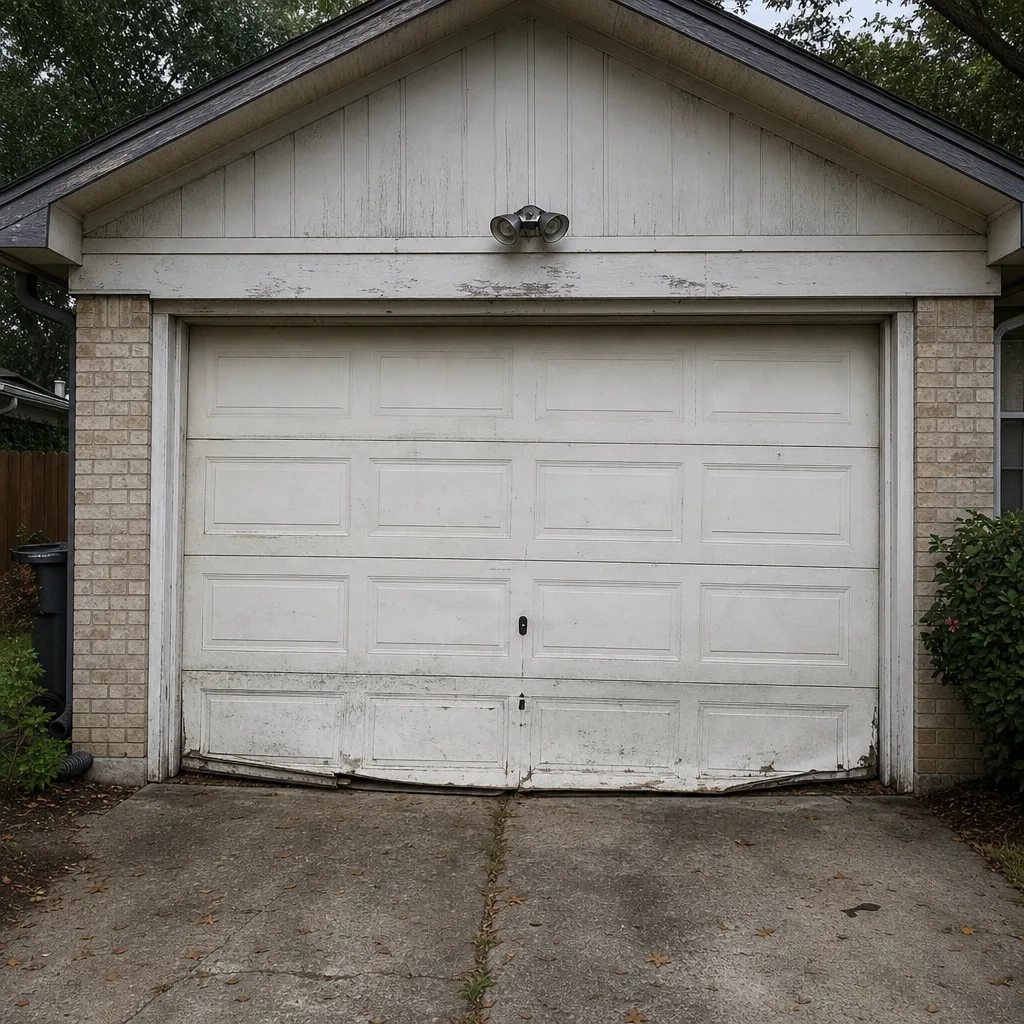 Before
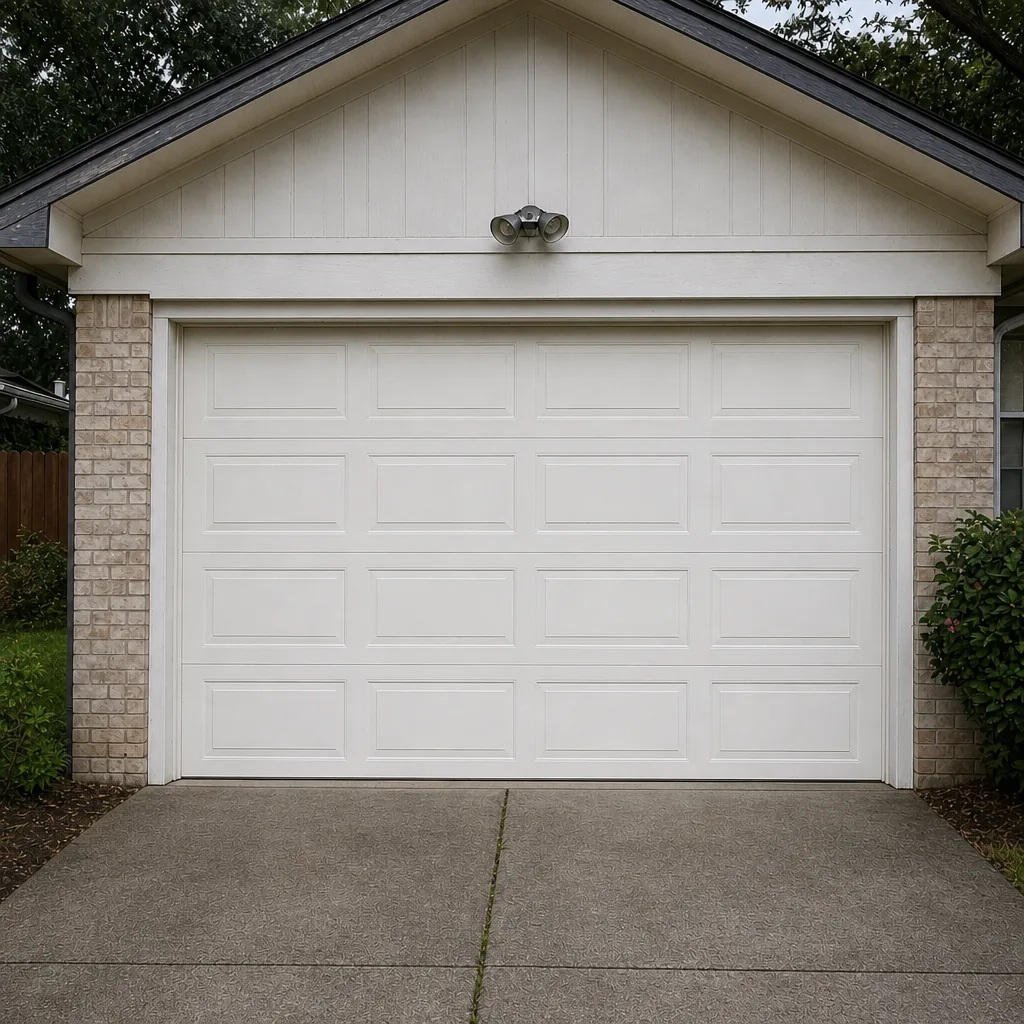 After
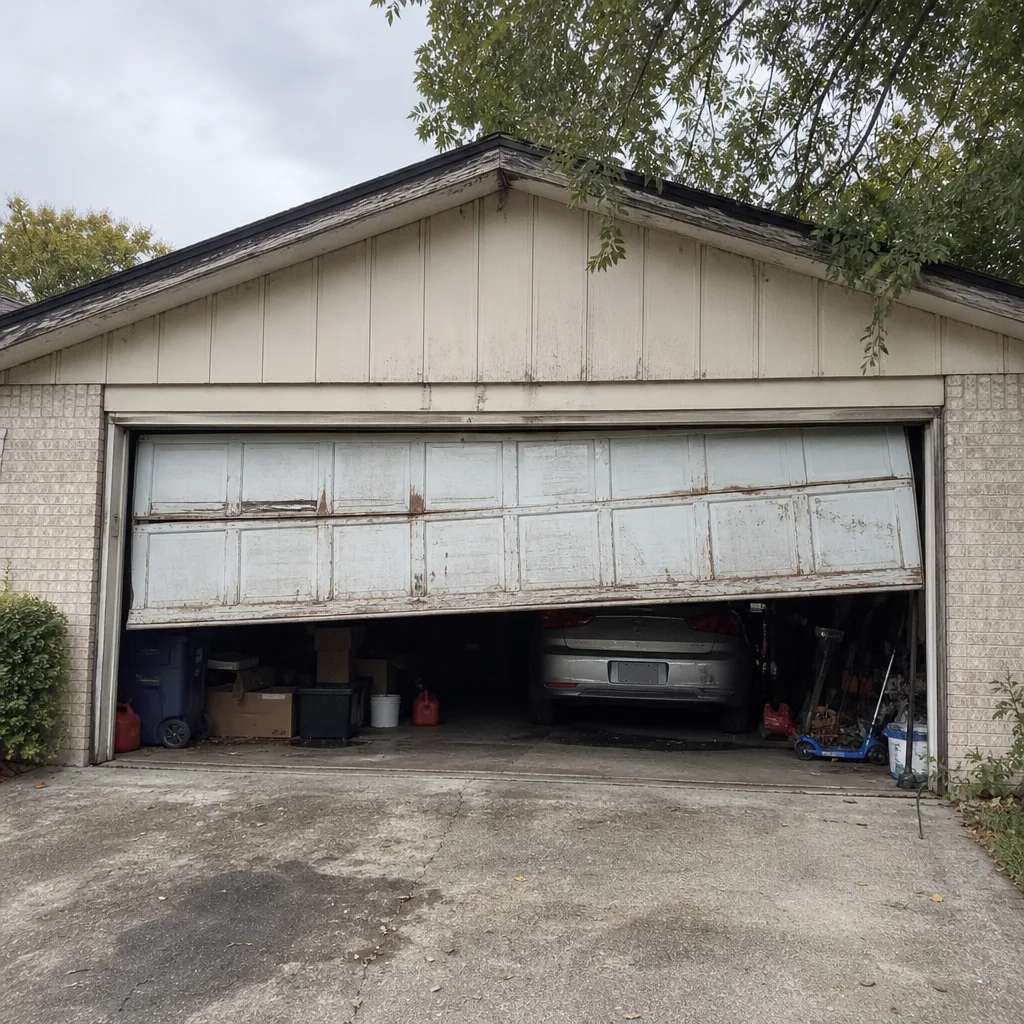 Before
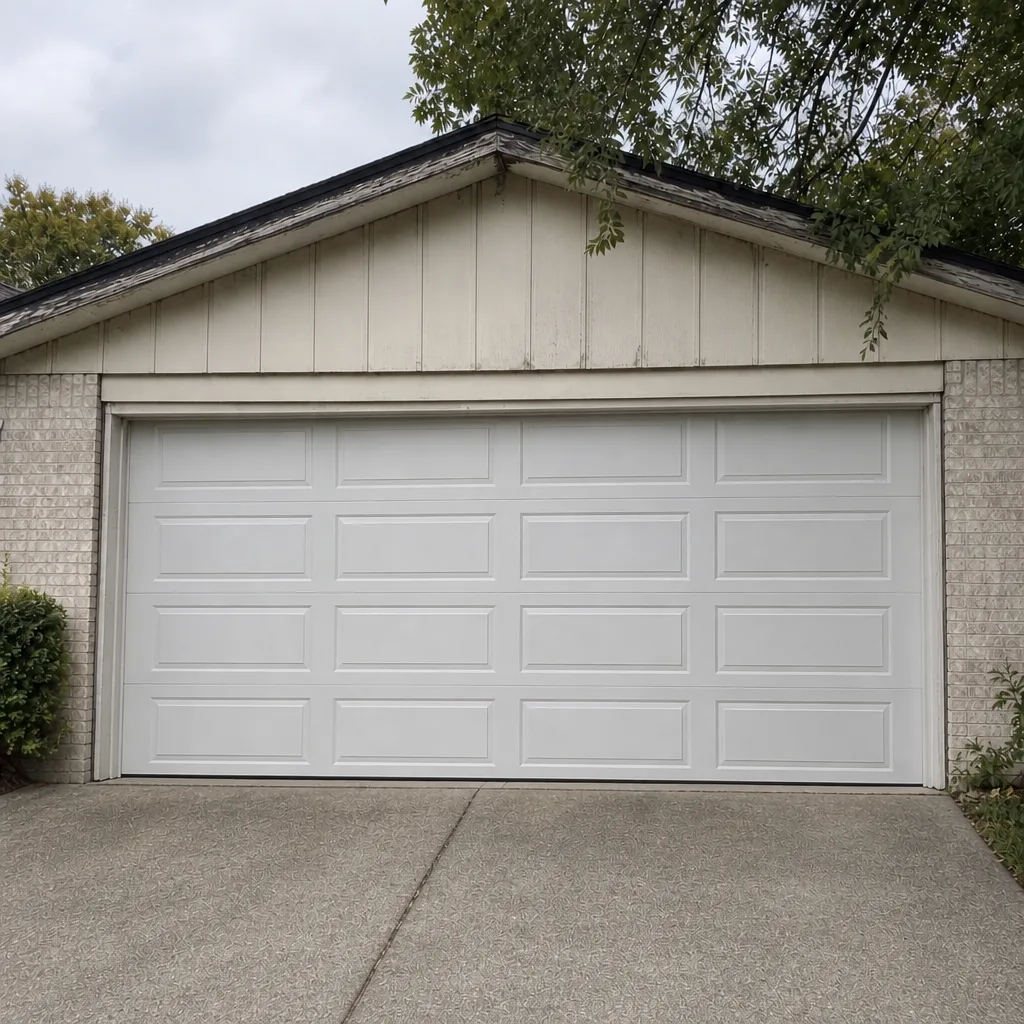 After
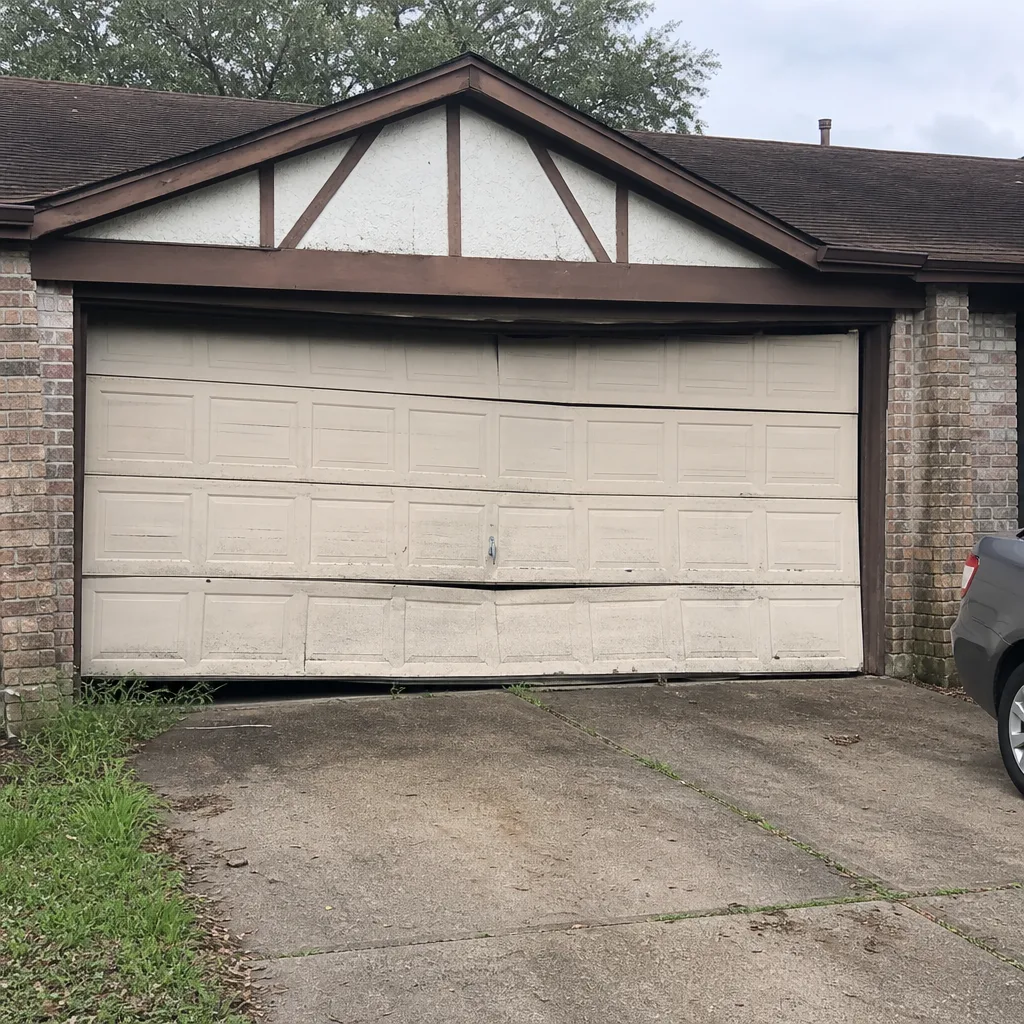 Before
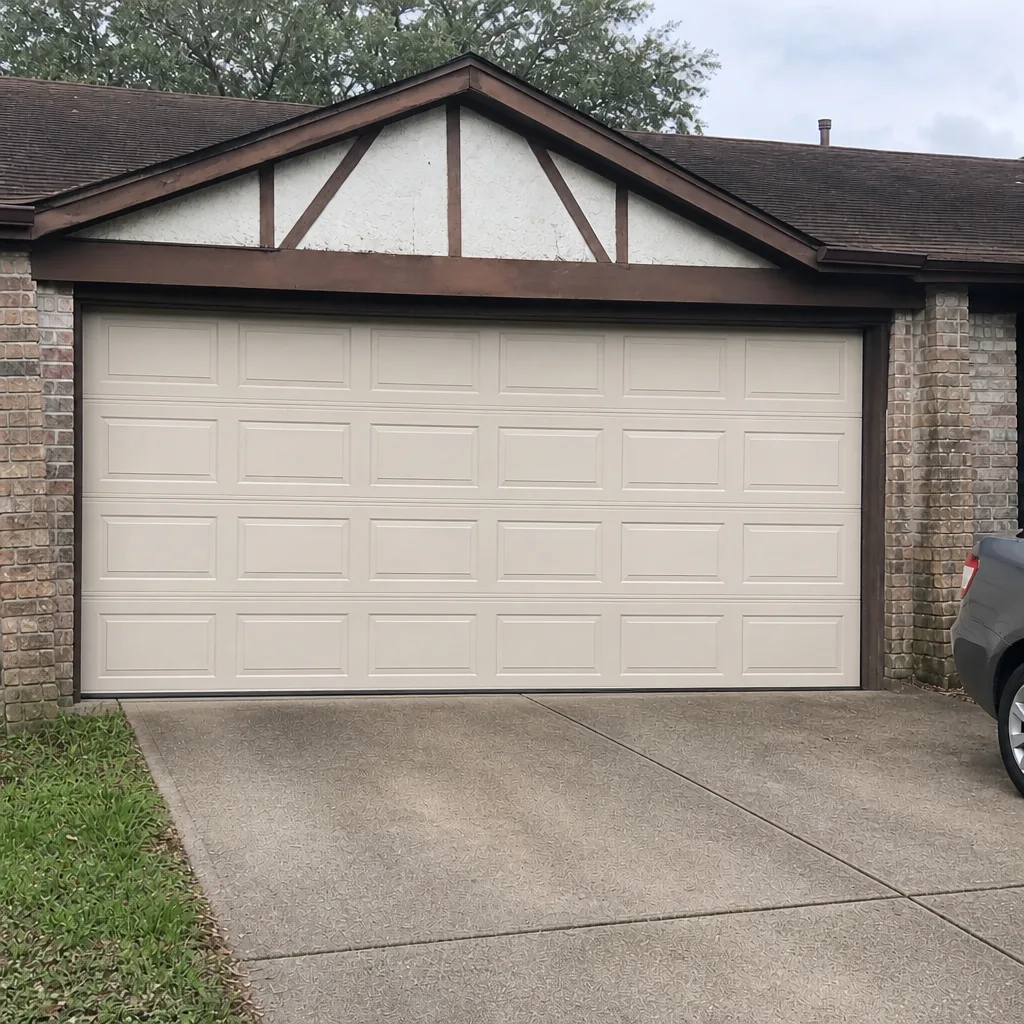 After