Last updated November 21, 2026
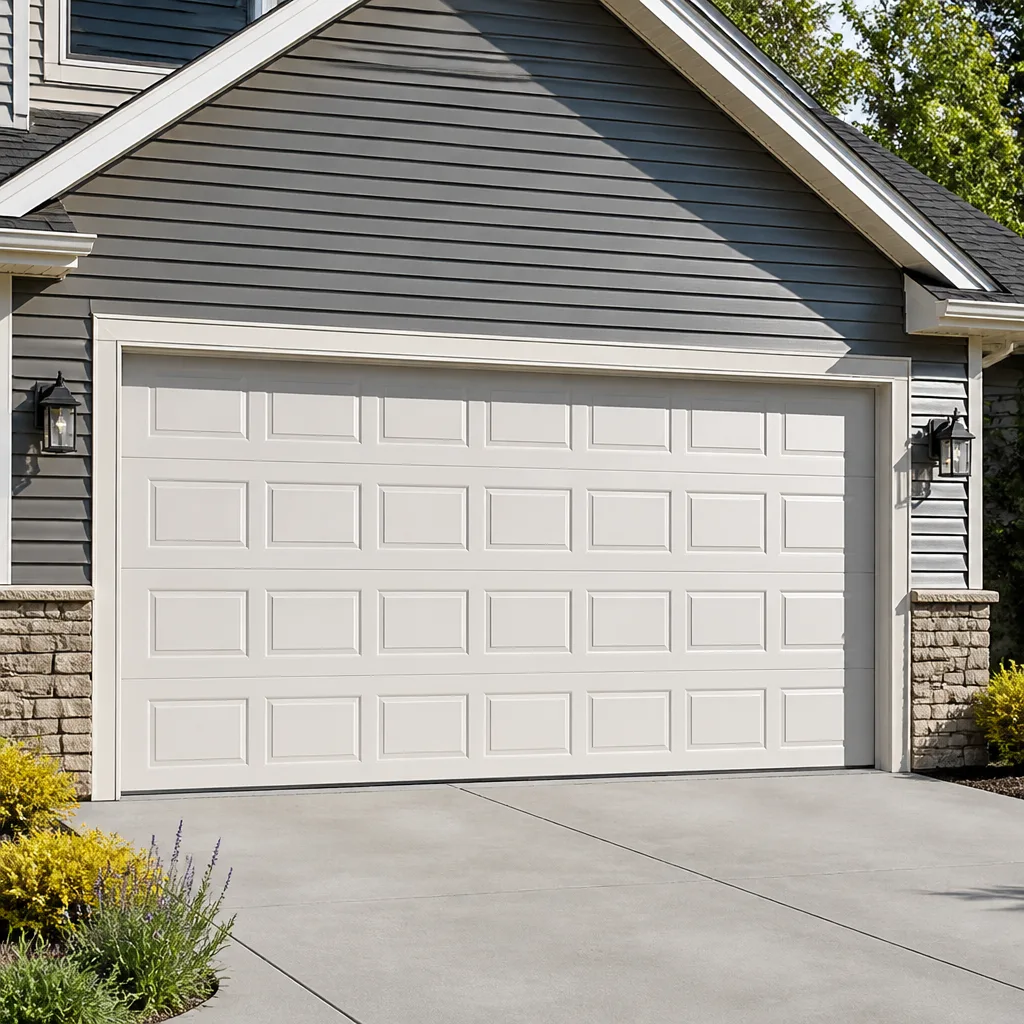 Raised-panel steel
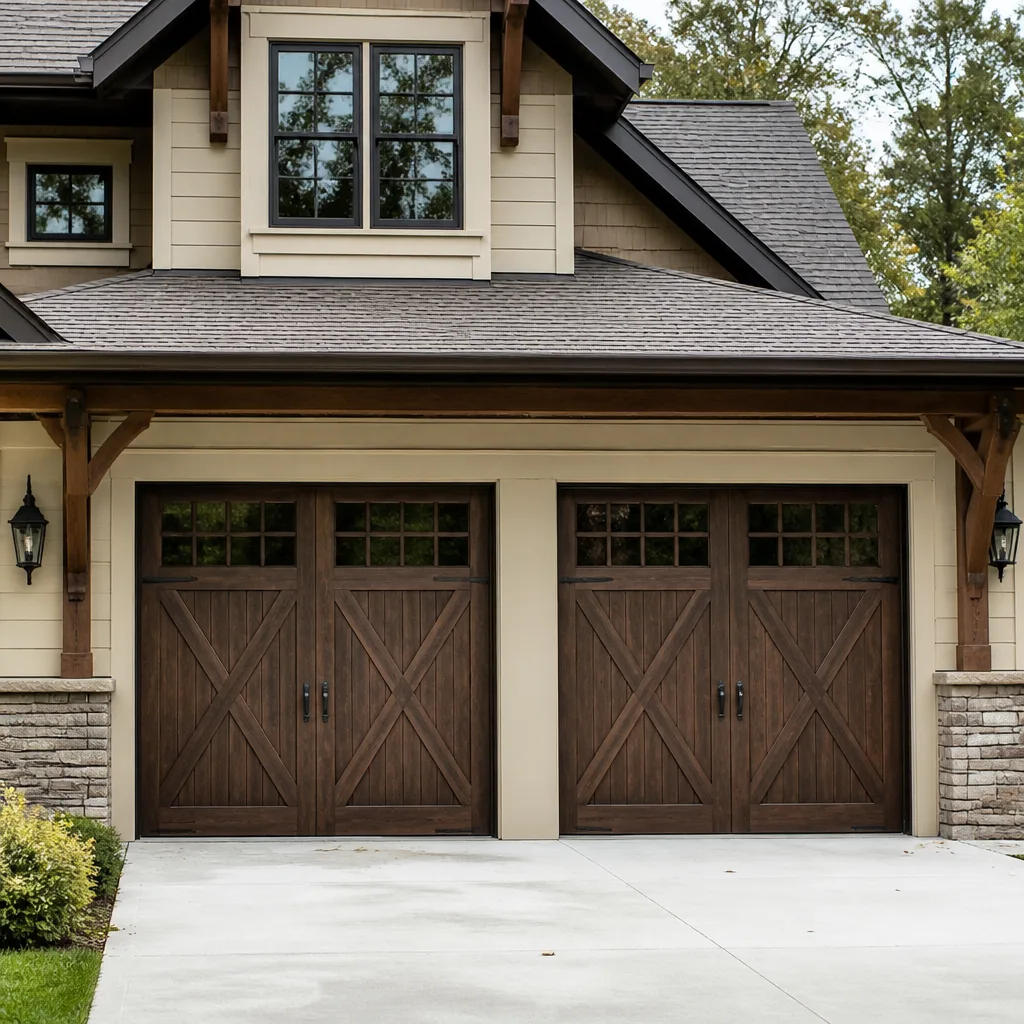 Carriage house
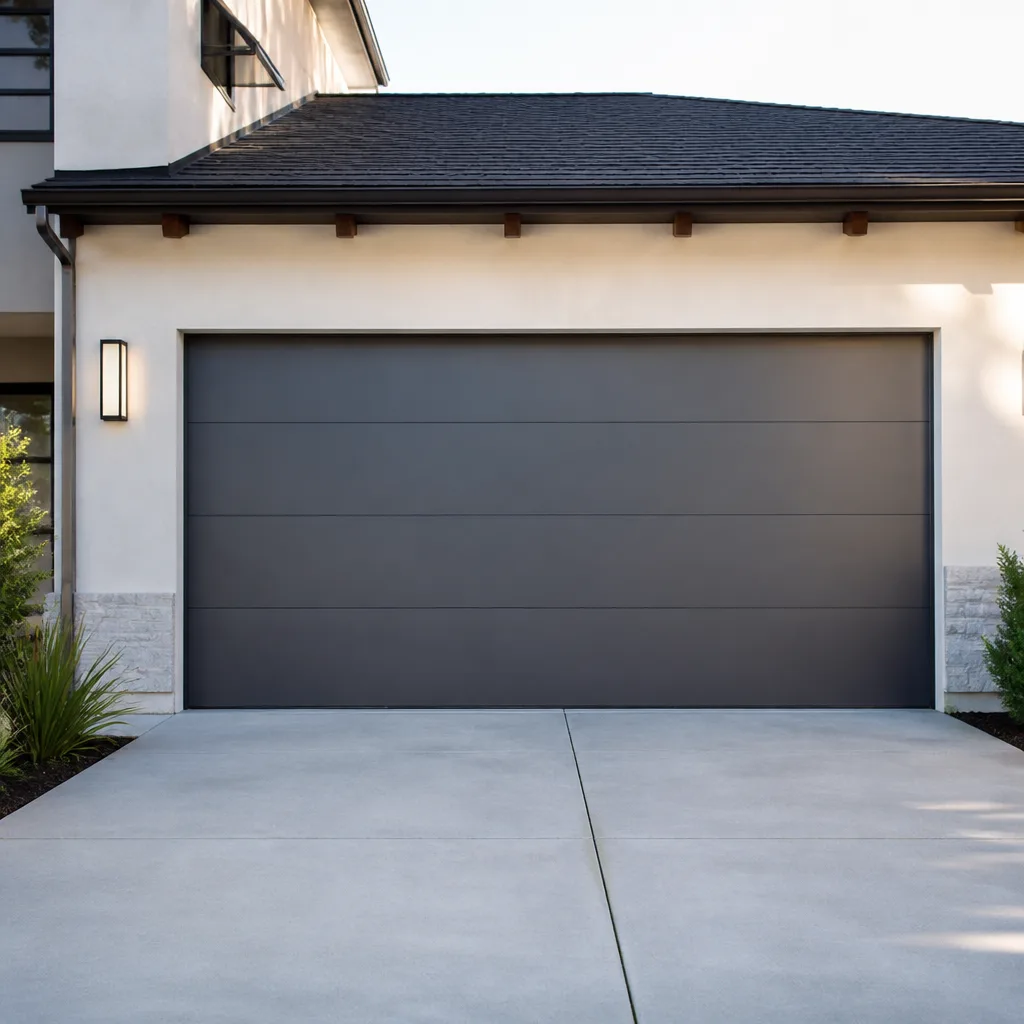 Modern flush
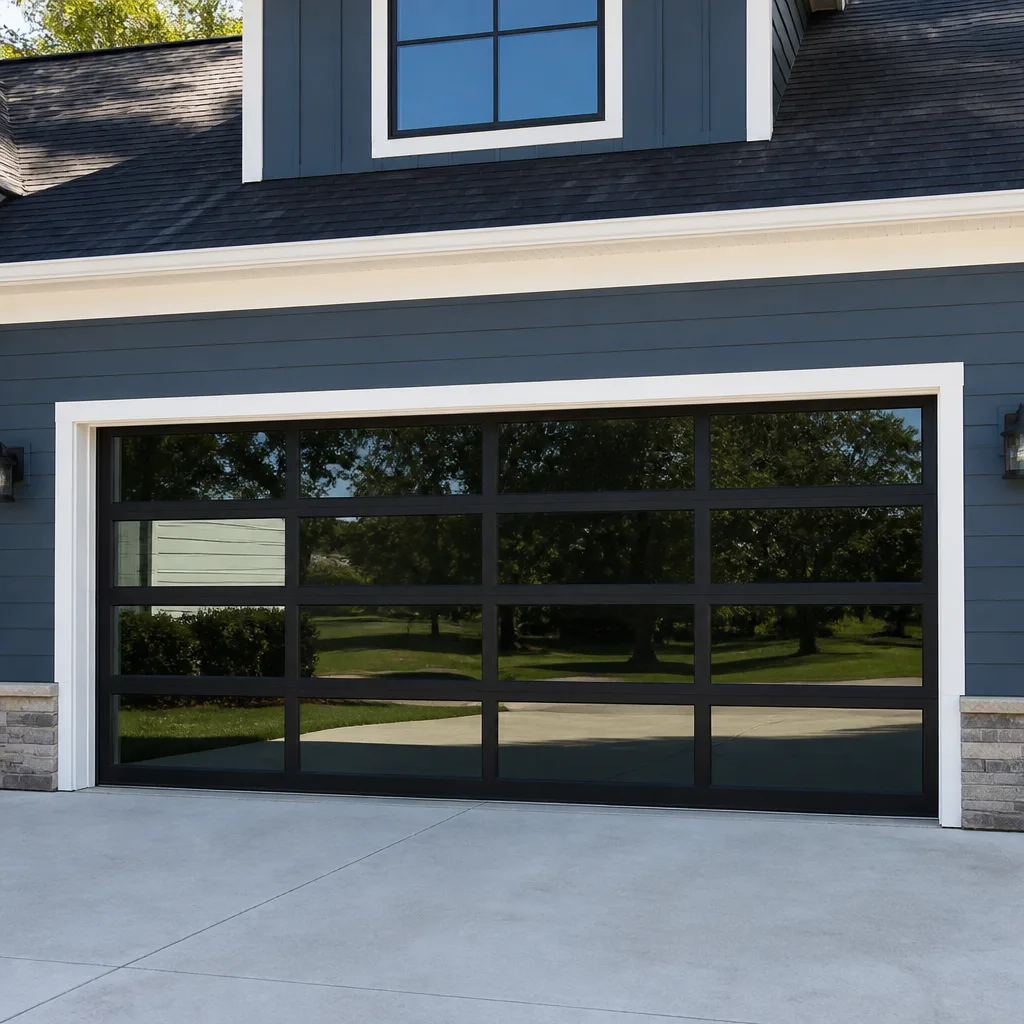 Full-view glass
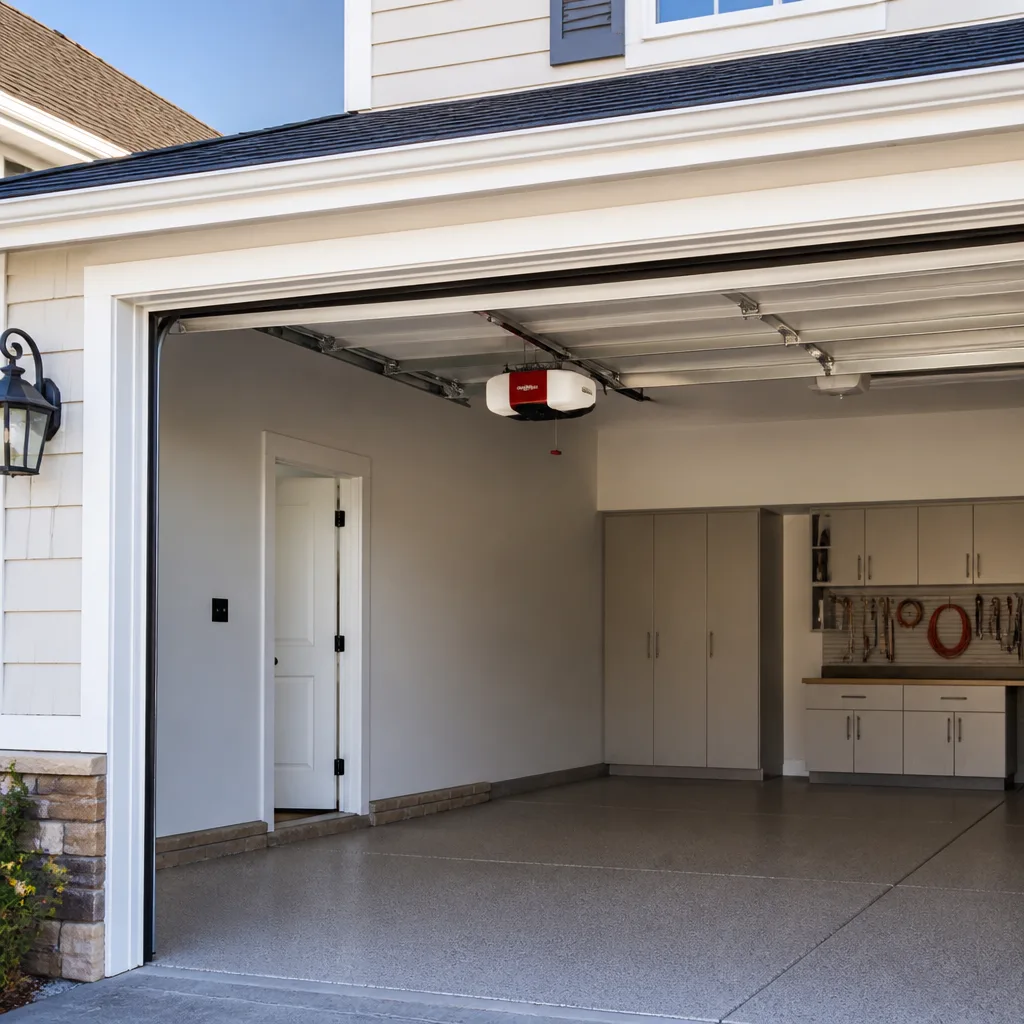 LiftMaster openers
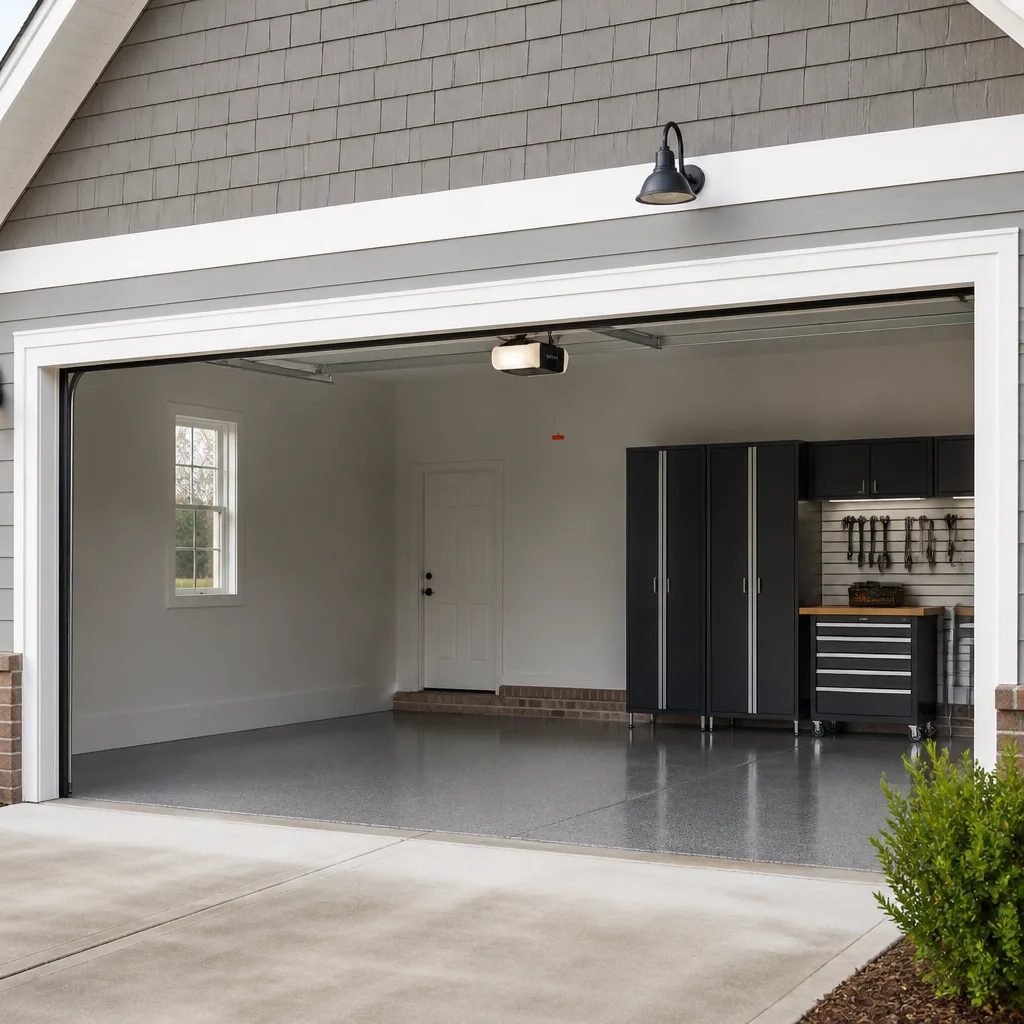 Chamberlain openers
Full 25-point door and opener safety check with every visit - springs, cables, rollers, tracks, and your LiftMaster or Chamberlain opener included
You get a price before we start. It does not change when the pro arrives.
Get your free estimateGarage Door Repair Troubleshooting in Missouri City: Common Problems and How to Fix Them
If your garage door drops faster than it rises, that’s not a slow opener. That’s a spring that’s about to snap, and the two problems look nothing alike once you know what you’re watching. Most homeowners in Missouri City misdiagnose a door because they focus on the symptom (the door won’t move) instead of the system (spring, cables, track, and opener all pushing and pulling on each other). A door that reverses at six inches and a door that won’t budge from the floor can have the exact same root cause. This guide teaches you to read your door’s behavior the way a technician does, so when you call for help, you’re calling for the right fix and not the most expensive one.
Quick Answer
Most garage door problems in Missouri City fall into four buckets: a tired or broken spring, a misaligned track, an opener with a logic or sensor fault, or worn rollers and hinges. You can safely identify which one you’ve got by watching how the door moves and listening to what it sounds like. Repairs that involve torsion springs or cables under tension should always go to a trained technician – those parts hold enough stored energy to cause serious injury.
Styles & brands we work with
- Raised-panel steel
- Carriage house
- Modern flush
- Full-view glass
- LiftMaster openers
- Chamberlain openers
Table of Contents
- Symptom-to-Cause Diagnostic Matrix
- The 60-Second Manual Release Test
- Spring Problem or Opener Problem?
- How Missouri City Humidity Affects Wood, Steel, and Aluminum Doors
- What’s Safe to DIY in Texas Heat vs. What Needs a Pro
- Red Flags That Mean the Fix Is a Band-Aid
- Safety Devices and the Reversing Test
- When to Call a Professional
Symptom-to-Cause Diagnostic Matrix
The fastest way to troubleshoot a garage door is to match what you’re seeing to the component that’s most likely failing. Here’s how we read those symptoms, organized by what a homeowner actually notices.
- Door reverses a few inches off the floor and goes back up. Usually the safety sensors or a binding roller on one side. Check that the photo-eye lenses are clean and aligned before assuming anything mechanical.
- Door drops fast on the way down but struggles going up. Classic spring symptom. The spring has lost tension; the opener is now doing the spring’s job and losing.
- Grinding or scraping sound while the door moves. Worn nylon rollers, dry hinges, or a track out of alignment. If it comes from above the door, check the opener’s chain or belt tension before anything else.
- One side of the door sags lower than the other. A stretched or slipped cable on one side, or a broken spring in a two-spring setup. This is a hard stop – don’t cycle the door again until a technician looks at it.
- Door moves a foot and stops, opener clicks, nothing happens. Opener logic board or travel-limit setting. Common on older Craftsman and Raynor units and worth a reset attempt before a service call.
- Door won’t close all the way – stops a few inches from the ground. Bottom seal worn, slab uneven, or the down-limit is off. Sometimes all three.
- Loud bang from the garage, door won’t open at all. Broken torsion spring. Stop there. Do not try to lift the door manually.
- Door opens on the wall button but not the remote. Remote, battery, or receiver logic – almost never a spring or track issue.
If your symptom isn’t on this list, or two symptoms are happening at once, that combination usually points to a system-level issue rather than a single part. That’s the point where a diagnostic call is worth more than more guessing. We handle the full range through our garage door repair service, and a trained technician can usually tell you what’s wrong within a few minutes of watching the door cycle once.
The 60-Second Manual Release Test
Before you call anyone, run this test. It eliminates the opener as a suspect in under a minute, and it tells you whether the door’s own balance is the problem.
- Close the door completely using the wall control.
- Pull the red release handle hanging from the opener rail. You should hear a click as the door disconnects from the carriage.
- Lift the door by hand to about waist height, slowly. It should feel manageable – like lifting a heavy bicycle, not a car.
- Let go at waist height. A balanced door stays put or drifts very slowly. A door that slams down has a spring problem. A door that you can barely lift has a spring problem too – just a different one.
- Push the door back down and reconnect the carriage by pressing the wall button until it clicks back in. If it doesn’t click, cycle the opener once more.
If the door stays put at waist height and moves smoothly by hand, your spring and track are probably fine, and the problem is almost certainly in the opener. That saves you a diagnostic fee and gives the technician you do call a head start. We walk homeowners through this exact test over the phone nearly every day – it’s the single most useful thing you can tell us before we arrive.
One caution: if the door slams down when you let go, do not try that test again, and don’t lift the door by hand a second time. A door in free fall has a broken spring, and the cable attached to it is under load. That’s the point where the test is over and the call gets made.
Spring Problem or Opener Problem?
This is where most diagnostic calls go wrong, and where homeowners end up paying for an opener when the real problem was a $200 spring. Here’s how to tell the difference before you let anyone near the opener.
Signs the spring is the problem
- The door feels heavy when you lift it by hand, or it slams down after the manual release test.
- You hear a single loud bang from the garage, followed by the door becoming dead weight.
- The door goes up but drops fast on the way down.
- You can see a visible gap in the coil of the torsion spring above the door, or the extension springs look stretched out and slack.
Signs the opener is the problem
- The door is balanced by hand but the opener strains, grinds, or stops partway.
- The wall control works but the remote doesn’t (or the reverse).
- The opener’s light flashes in a code pattern – most LiftMaster and Chamberlain units will tell you the diagnostic code if you count the flashes.
- The door moves a few inches, stops, and the opener clicks but doesn’t travel.
A spring that’s lost tension forces the opener to do twice the work it was designed for, and that’s what kills openers prematurely. If you replace the opener without addressing the spring, you’ll be replacing the opener again sooner than you’d like. We check the spring’s balance as part of every opener diagnostic for that reason. When the opener itself is the issue, we handle it through garage door opener repair, and we work on the brand you already own – LiftMaster, Chamberlain, Genie, Craftsman, Wayne Dalton, Raynor, Clopay, and Amarr are all covered.
How Missouri City Humidity Affects Wood, Steel, and Aluminum Doors
Missouri City sits in a stretch of Texas where summers run long, humid, and hot, and winters stay mild. That combination creates failure patterns that homeowners in drier parts of the country simply don’t see, and it makes the material of your door matter more than you’d expect.
Wood doors
Wood doors in this climate take on and release moisture seasonally. Over enough swings, the panels can swell in the summer and shrink in the winter, which loosens joints, cracks paint, and forces the door’s frame out of square. A wood door that’s started to bind on one side is often not a track problem – it’s a swelling problem. Keeping a quality sealer on all six sides (edges included) slows this down more than anything else you can do. Once the panel seams open up, water gets inside and no sealer will fix it from the outside.
Steel doors
Steel is the most common door material in Missouri City subdivisions, and the local failure mode is rust at the bottom rail and along the panel seams. Humidity alone won’t rust a painted steel door, but humidity plus a bottom seal that isn’t sitting flush will. Once water gets behind the seal and sits against the steel, the paint lifts from underneath and the rust starts. Check that bottom seal a couple of times a year, and replace it at the first sign of hardening.
Aluminum doors
Aluminum holds up better to moisture than either wood or steel, but the trade-off is that it dents more easily and transmits heat into the garage. On a hot Missouri City afternoon, an uninsulated aluminum door can make the garage noticeably hotter than an insulated steel door would. If you’re replacing a door and the garage faces west, the insulation value matters as much as the color.
Rollers, hinges, and cables are affected too. Humidity accelerates roller bearing wear, and it’s common to see rollers that spin smoothly when new but start dragging within a couple of seasons if they aren’t lubricated. A few drops of garage-door-specific lubricant on the hinges and roller stems twice a year is genuinely the simplest maintenance task there is, and it extends the life of the opener as much as it does the door.
What’s Safe to DIY in Texas Heat vs. What Needs a Pro
Not every garage door problem needs a service call, but the list of things that do is shorter than most homeowners assume – and it’s the things that hold stored energy that are dangerous, not the things that are physically hard. Here’s the honest split.
Safe for a homeowner
- Replacing the remote battery and re-pairing the remote to the opener.
- Wiping down the photo-eye lenses and confirming they’re pointing at each other.
- Lubricating hinges, rollers, and the opener’s chain or screw with garage-door-specific lube.
- Cleaning the track with a rag and checking for obvious debris.
- Replacing a bottom seal if the door is otherwise balanced and the new seal is the same profile as the old one.
Needs a trained technician – no exceptions
- Torsion springs. These are the horizontal spring(s) above the door. The spring stores enough energy to seriously injure or kill someone if a winding bar slips, and there is no safe way to wind one without the right tools and technique.
- Extension springs. Vertically mounted springs along the track. Also under tension, and the safety cable that should run through them is not always in place on older doors.
- Cables. A cable under tension can snap back with enough force to cause injury. Cables also have to be properly tensioned and re-secured to the drum after a spring replacement.
- Track realignment. Not because it’s dangerous, but because the door’s balance depends on the track’s geometry, and a homeowner-adjusted track usually makes the door bind worse.
- Opener replacement. The torsion of the door and the opener’s travel limits have to be set together. A mis-set limit is the most common reason a brand-new opener strips its gear.
Texas heat adds a wrinkle here: it’s easy to underestimate how quickly a garage heats up in the afternoon, and working on a door in a 100-plus-degree garage is a real safety concern on its own. If you’re considering a DIY repair, do it in the morning, keep water nearby, and abandon the job if you start feeling lightheaded. We run into plenty of half-finished repairs that started because the homeowner was determined to finish before the heat got worse. For anything on the second list, the time to call is now, not after the heat breaks. Spring work in particular is a professional’s job – we handle it through garage door spring repair, and that’s the call we get most often from Missouri City homeowners.
Red Flags That Mean the Fix Is a Band-Aid
Some garage door problems genuinely need a repair. Others need a replacement. The distinction matters because patching the same door every six months costs more than fixing it once, and it leaves you no safer than you were before. Here are the patterns we flag.
- The door needs re-adjusting every few months. A door that’s been balanced and adjusted twice in a year and is off again is telling you its spring, its track, or both are past their useful life. Repeated adjustment is the symptom, not the problem.
- Cables that fray, then get replaced, then fray again. Something is wrong upstream – a bent drum, a misaligned track, or a spring that’s lost so much tension that the door is dropping hard onto the cables. Replacing the cable without addressing the cause just resets the clock.
- Bottom seal that won’t stay seated. If you’ve replaced the seal and it’s still not sitting flush, the slab may be uneven or the door may be out of plane. In this part of Texas, foundation movement is common enough that an uneven slab under the door is one of the more frequent causes of persistent drafts and water intrusion at the garage. Fixing the seal without fixing the slab or the door’s level means you’ll be replacing it again before long.
- Rollers that keep coming out of the track. A door that derails regularly needs a track replacement, not a re-seating. Once the track’s steel has been bent out of shape a couple of times, it won’t hold a roller reliably.
- Panels with rust that’s spreading under the paint. Once the bottom rail of a steel door has rusted through in one spot, the whole bottom section usually needs replacing, and a lot of the time the panels aren’t made anymore. A new door is often the better value.
- Opener that’s been repaired three or four times. At some point, parts cost more than a new unit with modern safety features. A lift from an older Craftsman to a current LiftMaster or Chamberlain MyQ-compatible opener is a meaningful upgrade, not just a replacement.
The pattern across all six red flags is the same: the fix is being asked to do a job the rest of the system can’t support. If two or more of these apply to your door in Missouri City, it’s time to talk about replacement rather than repair.
Safety Devices and the Reversing Test
Every garage door manufactured and installed in the last few decades has two safety systems: the photo-eye sensors near the floor, and the opener’s force-reversing logic. Both are tested in the same 30 seconds.
- Test the photo eyes. With the door open, wave a broomstick or rolled-up newspaper across the path of the sensor lenses, about six inches off the floor. The door should refuse to close, or reverse if it’s already moving down.
- Test the force reverse. Place a piece of 2×4 flat on the floor in the door’s path. Close the door. When it contacts the wood, it should reverse within about two inches.
- Test the balance. Run the manual release test described earlier. A door that won’t stay balanced at waist height may not reverse reliably even with working sensors.
If either safety test fails, stop using the garage door until it’s corrected. This is not the time to schedule something for later in the week. A door that closes on a child or pet because the sensors failed is a real risk, and it’s one we take seriously. The same goes for a door that reverses randomly with no object in the way – that’s typically a sensor alignment or logic board fault, and it should be fixed before the door is used again.
If your opener’s safety features aren’t working and you need help today, this is exactly the kind of situation our emergency service is designed for. A garage door that won’t close is a security issue, and we treat it that way.
Common Mistakes to Avoid
- Replacing the opener when the spring is the problem. It’s the most expensive version of the same mistake. The door has to move freely by hand first; if it doesn’t, no opener will make it better.
- Winding torsion springs without the right winding bars. A slipped bar can cause serious injury. There is no safe shortcut for this, and it’s the one repair we’d genuinely prefer you not attempt.
- Oiling the track. Lubricant on the track attracts dust and grit, which makes rollers bind worse. Grease the hinges and roller stems, keep the track clean and dry.
- Assuming the door needs a new door when it needs a new spring. In our experience, a door that slams down with a bang is usually a spring away from working fine. Get a diagnostic first.
- Ignoring a bottom seal that isn’t sealing. In Missouri City, a bad seal means water, bugs, and heat getting into the garage. It’s a small fix that prevents a bigger one.
- Letting the door run out of balance “for now.” An unbalanced door strains the opener every single time you use it. It’s a slow way to turn a $200 repair into a $600 one.
- Calling a general handyman for a spring. This is a specialist job. A handyman who doesn’t do garage doors every day doesn’t have the tools or the training to wind a torsion spring safely.
See the difference
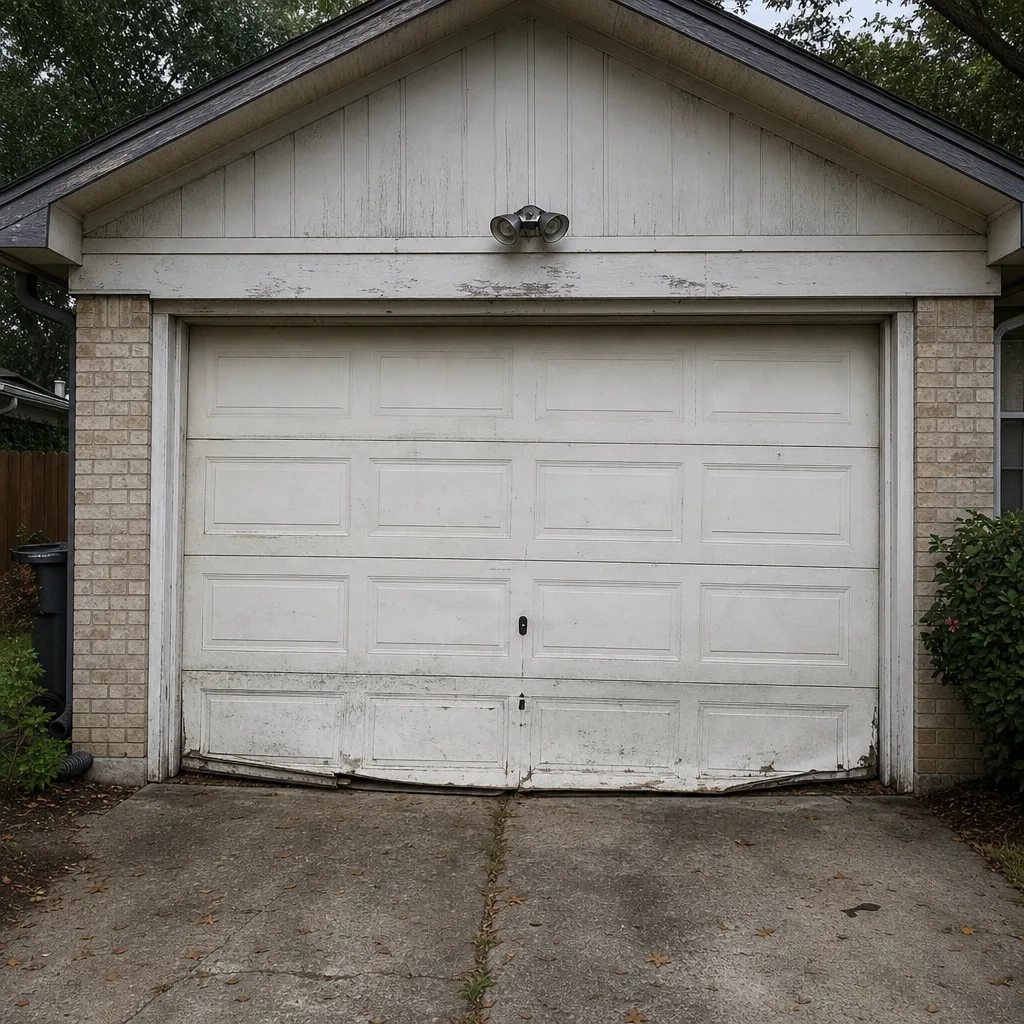 Before
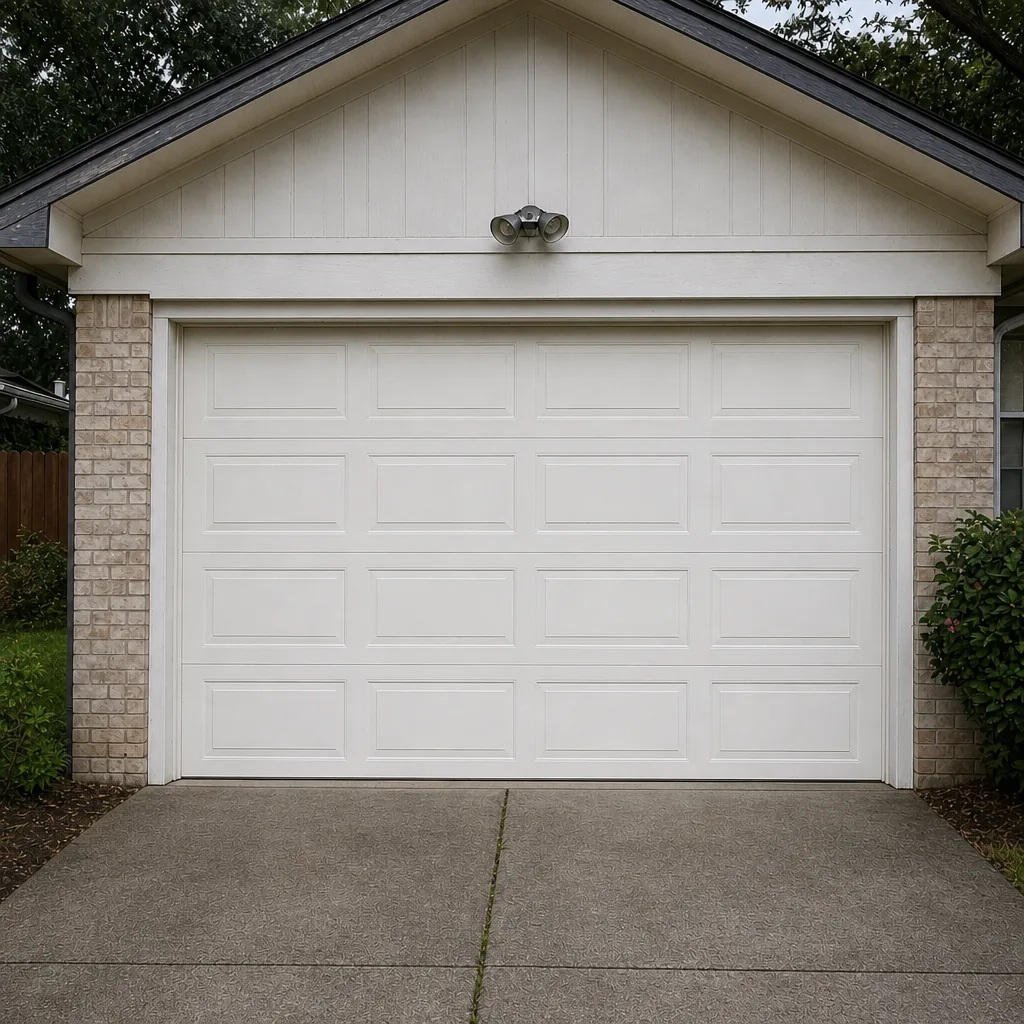 After
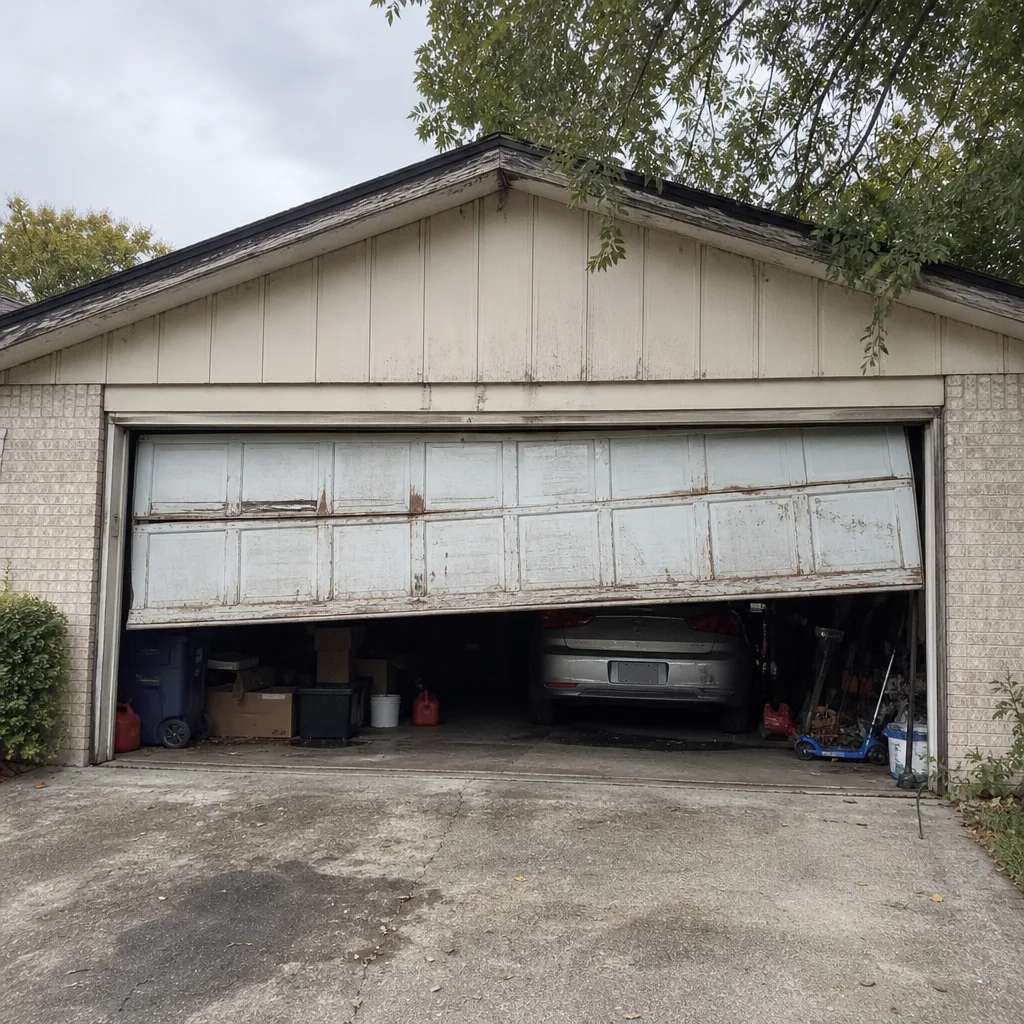 Before
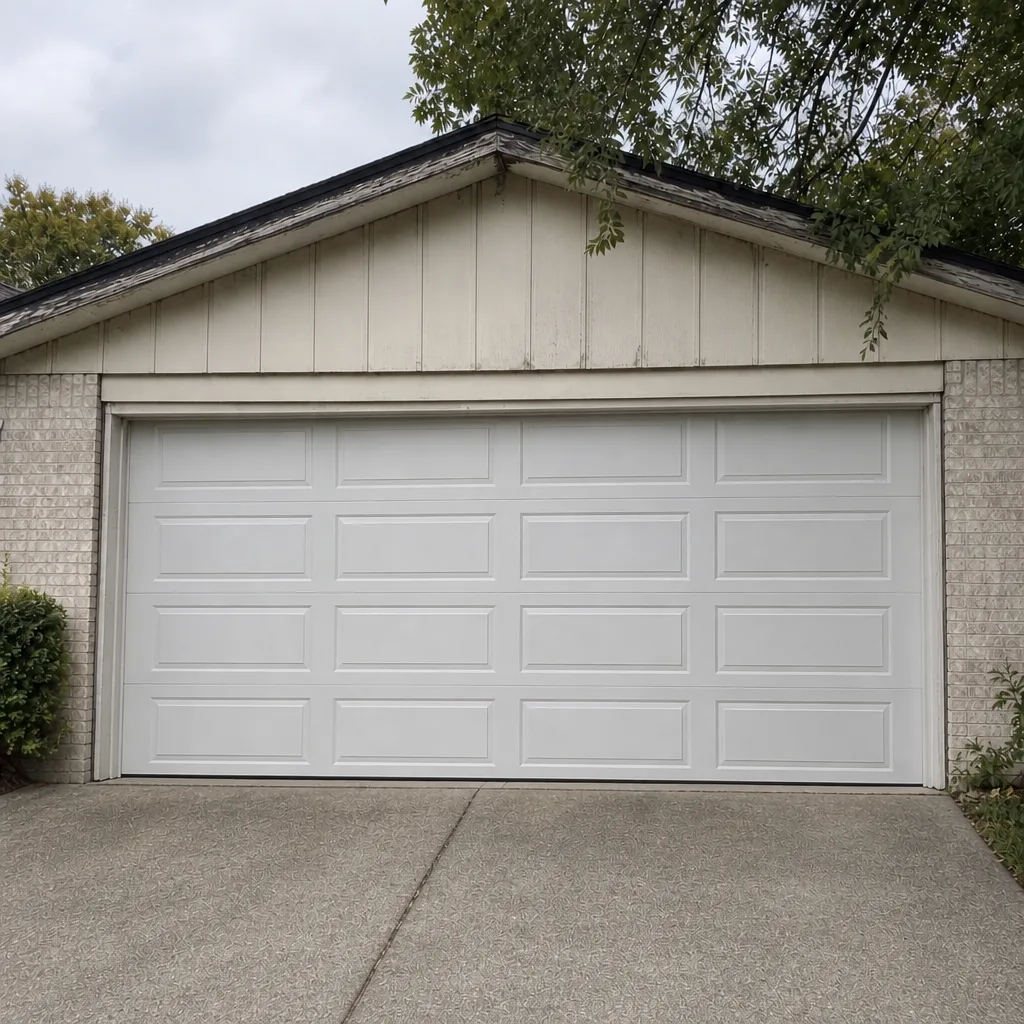 After
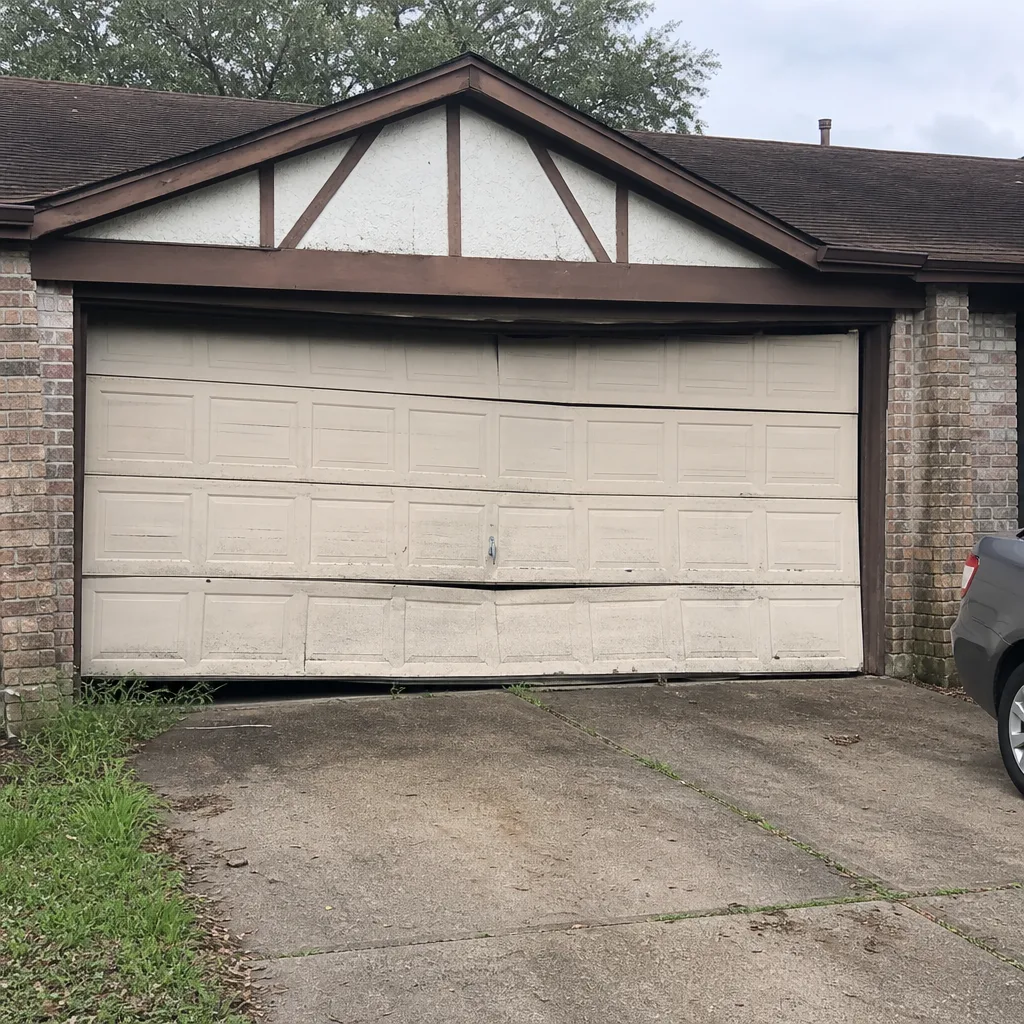 Before
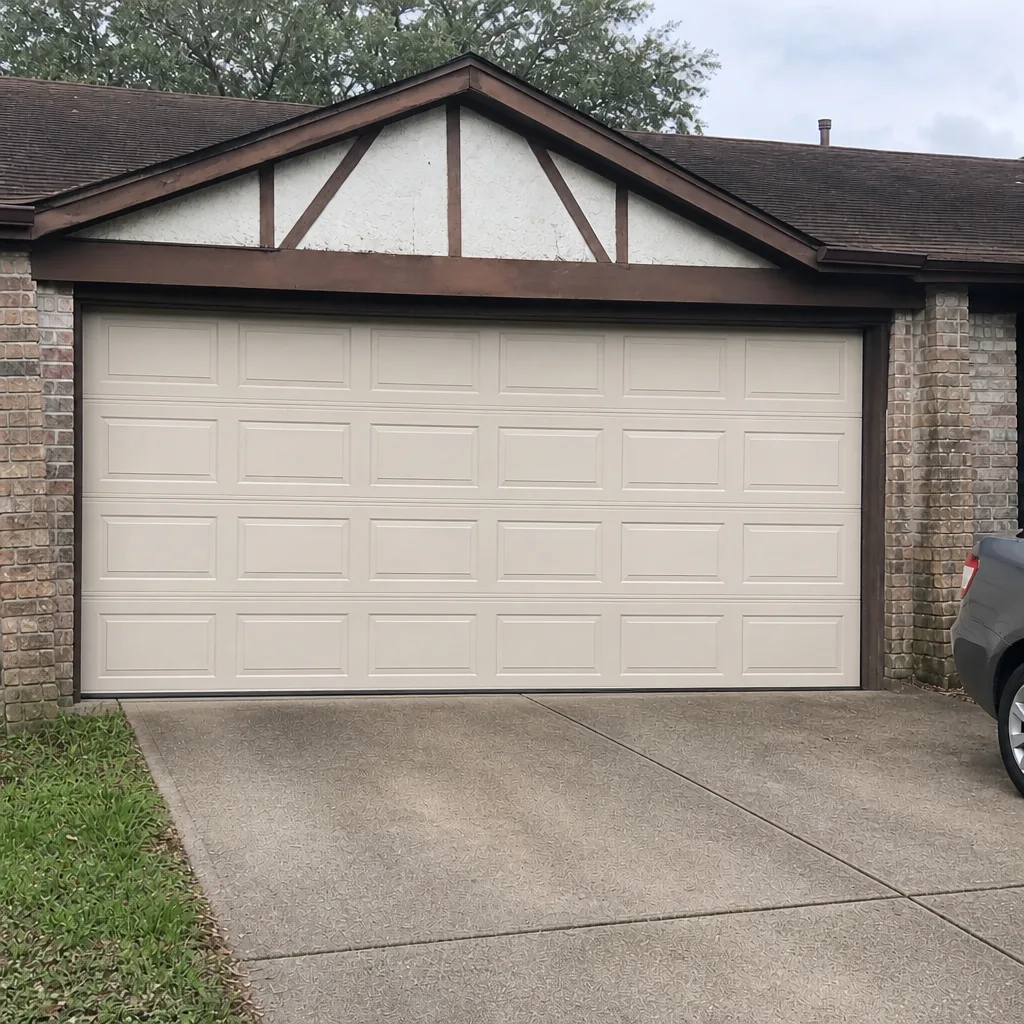 After
When to Call a Professional
Call a professional if your symptom matches anything on the “needs a trained technician” list, if the door slams down or won’t stay at waist height, if the safety reverse test fails, or if you’ve tried the manual release test and the door is still a mystery. Also call if you’ve had more than one of the red-flag repairs in the past year, because at that point a full system check makes more sense than another patch. Missouri City Garage Door Repair offers free estimates in Missouri City – call (855) 765-7303. Our technicians have up to 8 years of experience, and we handle spring repair, opener diagnostics, panel and track work, and full door replacement in one visit wherever possible.
Frequently Asked Questions
Most common repairs – a torsion spring, a set of rollers, a bottom seal, an opener sensor – typically run in the $150 to $450 range for a single job, and a matched pair of springs usually costs about twice a single spring. Opener repairs and replacements run higher depending on the brand and model. The written estimate sets the final price, and we quote it before any work starts. Call (855) 765-7303 for an exact quote – estimates are free.
Yes, in most cases. We offer same-day and emergency service because a door that won’t close is a security gap, not a next-week problem. When you call, tell us which symptom you’re seeing and whether the door is stuck open or stuck closed – that helps us dispatch the right technician and the right parts. Call (855) 765-7303 and we’ll get you on the schedule.
Run the manual release test first. If the door is heavy to lift or slams down when you let go at waist height, the spring is the problem. If the door is balanced and moves freely by hand but the opener strains or stops, the opener is the problem. Either way, that test takes under a minute and it saves you from paying for the wrong repair. Call (855) 765-7303 if you want us to walk you through it.
No – the written estimate sets the final price. If we diagnose something different from what you described on the phone, we’ll tell you before doing the work and quote the revised price before touching anything. You approve the estimate before any repair begins. Call (855) 765-7303 with your symptoms and we’ll give you a ballpark before we arrive.
The local professional who performs the work is licensed and insured as their state requires. We connect Missouri City homeowners with vetted, trained garage door specialists, and every repair is quoted in writing before work starts. Call (855) 765-7303 to schedule a free estimate.
Once a month is the standard recommendation, and it takes about 30 seconds. Place a 2×4 flat on the floor in the door’s path and close the door – it should reverse within about two inches of contact. If it doesn’t, stop using the door and call for service. Call (855) 765-7303 if your door fails the test.
The Bottom Line
Garage door troubleshooting is mostly about reading the door’s behavior in the right order. Run the manual release test first, listen for the grinding or the bang, and check the safety reverse before you assume the door needs an expensive fix. Springs and cables always go to a technician; remotes, lubrication, and sensors are the kind of things a homeowner can handle. In Missouri City, humidity and heat make bottom seals, rollers, and wood panels the parts that wear fastest, so checking those a couple of times a year heads off most of the bigger repairs. If your door is clicking, grinding, dropping, or won’t close all the way, the diagnostic call is the cheapest part of the process. Missouri City Garage Door Repair covers springs, openers, panels, tracks, and full installations – a single specialist for your whole door system. Call (855) 765-7303 for a free estimate, and we’ll tell you exactly what’s wrong before we touch a thing.
For a broader look at everything we handle across the area, start with Missouri City Garage Door Repair.
Written by the team at Missouri City Garage Door Repair.