Last updated November 21, 2026
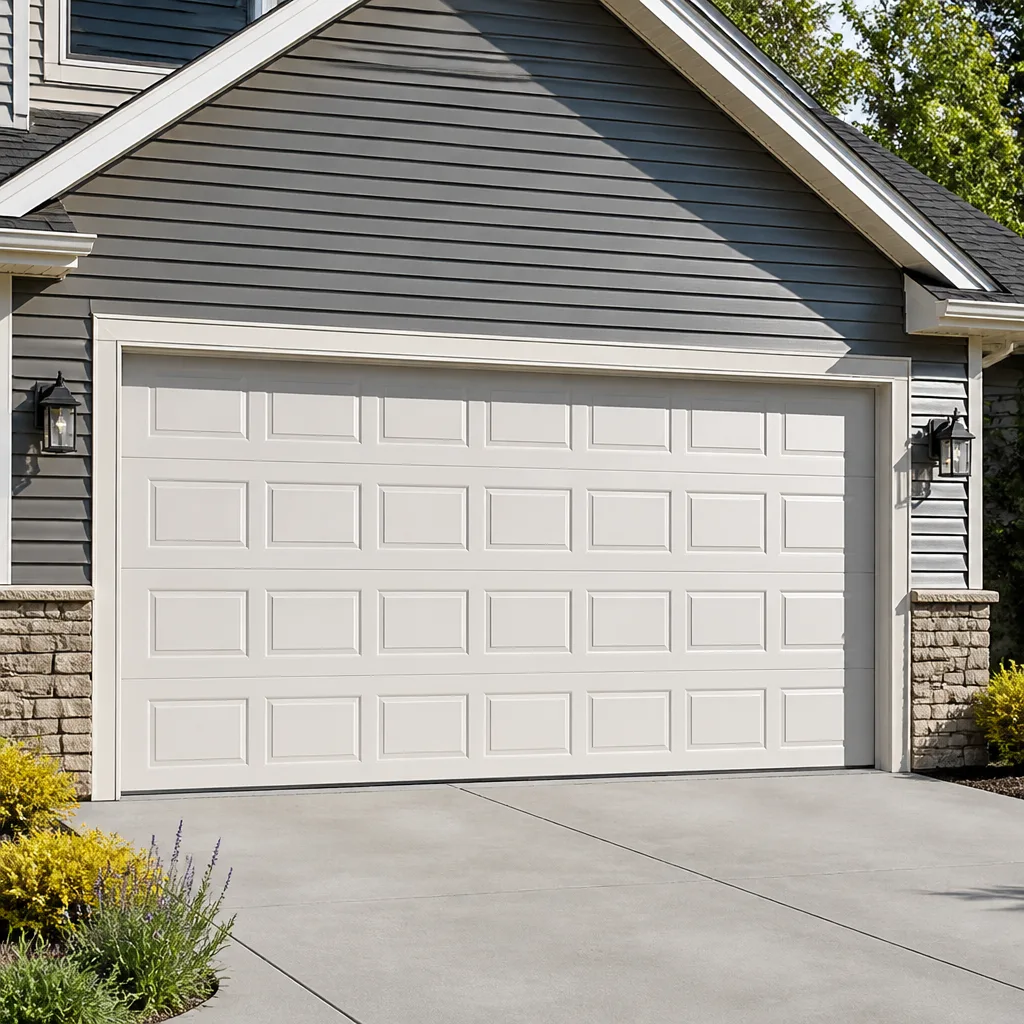 Raised-panel steel
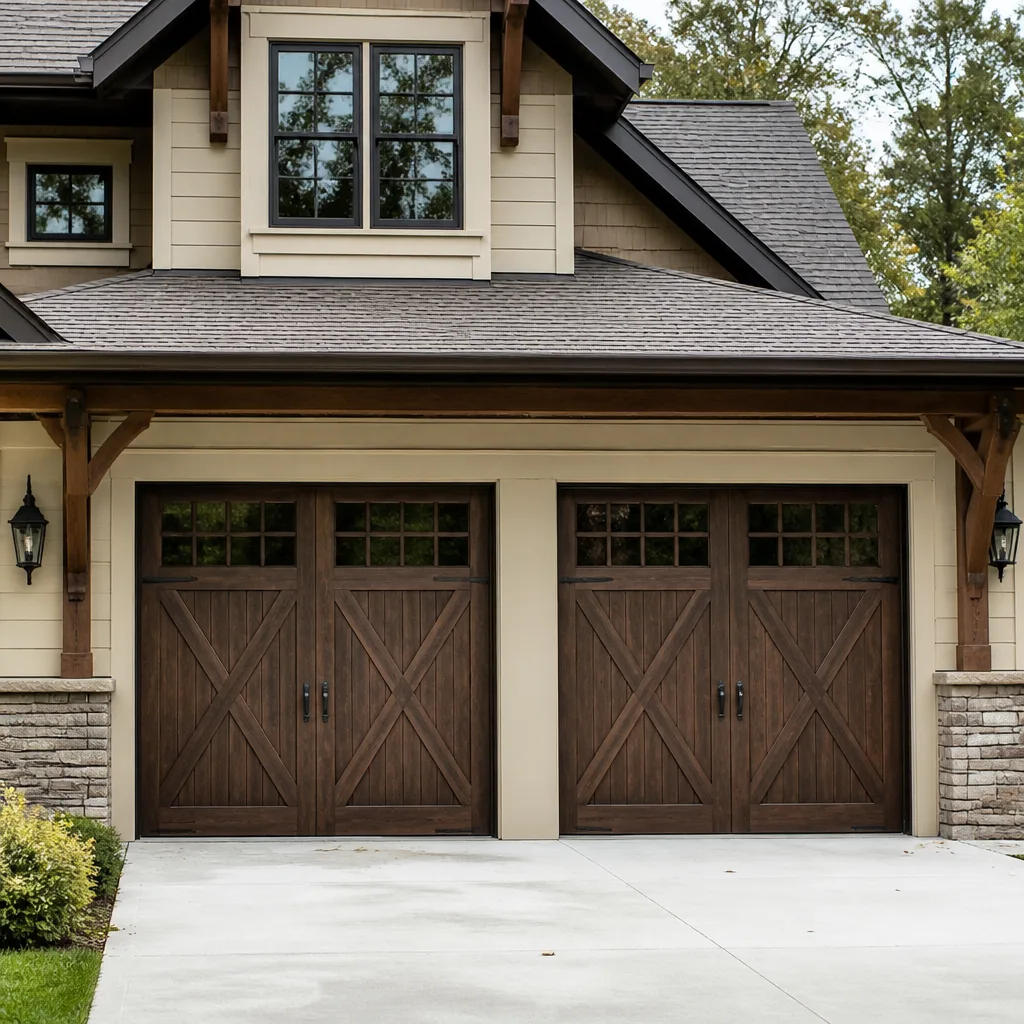 Carriage house
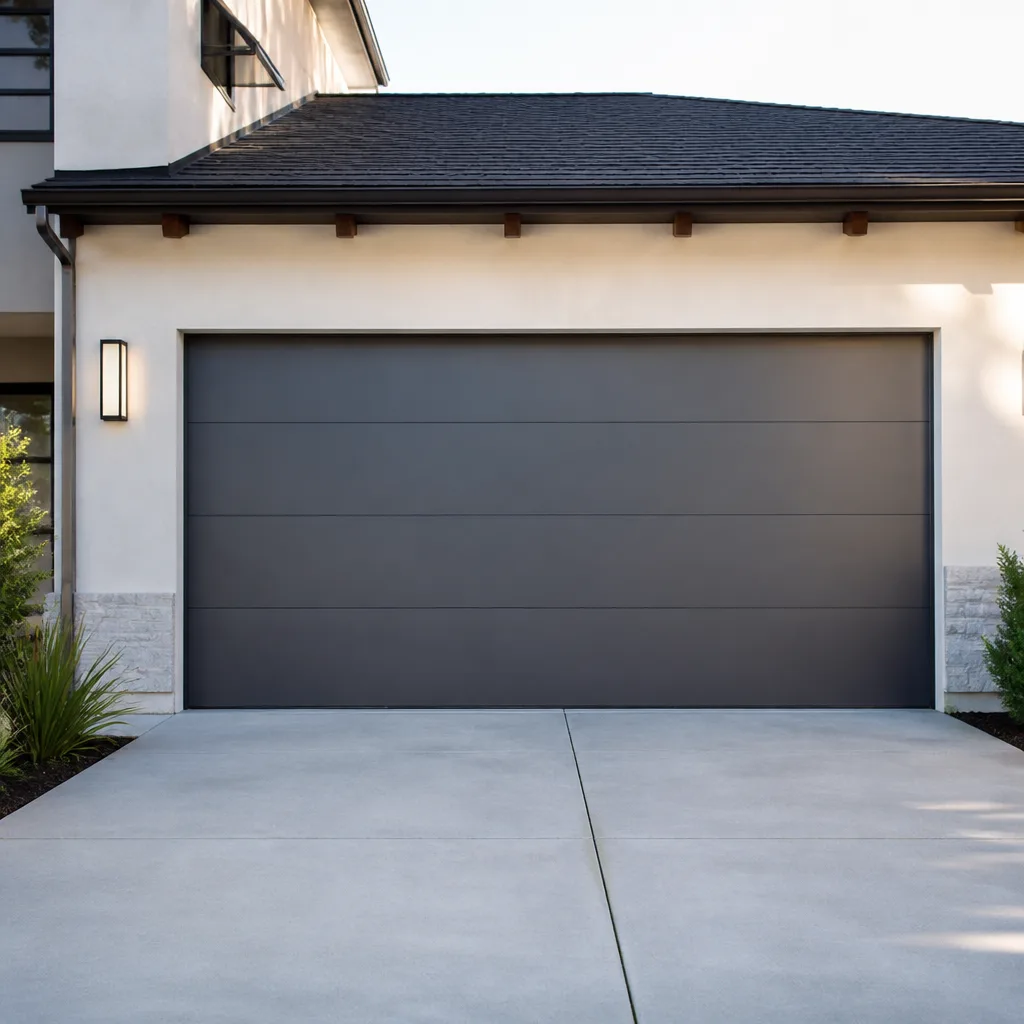 Modern flush
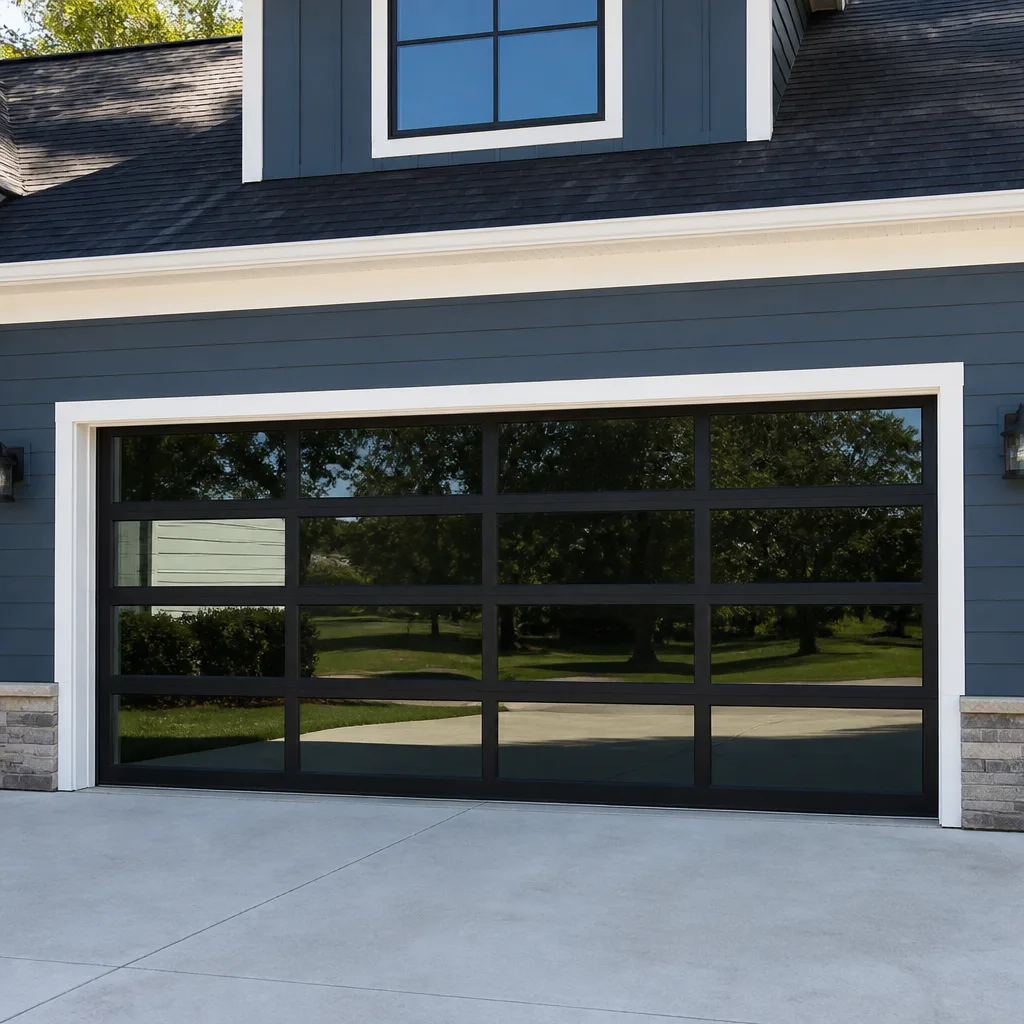 Full-view glass
 LiftMaster openers
 Chamberlain openers
Full 25-point door and opener safety check with every visit - springs, cables, rollers, tracks, and your LiftMaster or Chamberlain opener included
You get a price before we start. It does not change when the pro arrives.
Get your free estimateGarage Door Permits, Codes & Inspections in Missouri City, TX: What You Need to Know
Most homeowners in Missouri City assume a garage door replacement needs no permit. It’s a swap, after all, not an addition. The reality is more like a sliding scale. A true like-for-like replacement on an attached garage usually falls in a gray zone that depends on which jurisdiction is reading the code, while a size change, a new opening, or anything touching structure or wiring moves you clearly into permit territory. What you don’t want is to learn the rules during a pre-sale inspection, when a buyer’s inspector flags the work and you’re the one answering questions. This guide maps out the permit thresholds we see in Fort Bend County and Missouri City, the wind-load requirements that come up after storm damage, what a city inspector actually looks at, and how to run HOA approval and city permitting on the same schedule so neither one stalls the other.
Quick Answer
A like-for-like garage door replacement in Missouri City is sometimes permit-exempt and sometimes not, depending on whether structure, framing, or electrical work is involved. Anything that changes the door opening size, adds new framing for a larger door, or includes new electrical work for an opener triggers a required permit in Fort Bend County. Always confirm with the city’s building department before work starts, because the answer depends on the specifics of your door and your home.
Styles & brands we work with
- Raised-panel steel
- Carriage house
- Modern flush
- Full-view glass
- LiftMaster openers
- Chamberlain openers
Table of Contents
- When does a garage door replacement need a permit in Missouri City?
- What are the wind-load requirements for garage doors in Fort Bend County?
- How do Missouri City’s local amendments affect door size changes?
- What does a city inspector actually check?
- How do HOA approval and city permits work together?
- Step-by-step: how to permit a garage door project
- What’s usually exempt (and what isn’t)
- Why this matters when you sell
When does a garage door replacement need a permit in Missouri City?
A garage door replacement in Missouri City needs a permit when the work goes beyond swapping one door for another of the same size in the same opening. That’s the simplest way to state it. If you’re pulling out a tired Clopay door and setting a new Clopay of identical dimensions into the existing frame with the same track and hardware, most jurisdictions treat that as ordinary maintenance. If you’re enlarging the opening, reframing the header, moving the springs, changing from a standard door to a carriage-house style with a different track layout, or running new wiring for an opener, you’re in permit territory.
Here’s the breakdown we walk homeowners through:
- Like-for-like replacement, same opening, no structural changes: Often permit-exempt. Confirm with the building department anyway, because exemptions vary.
- Size change to the door opening: Requires a permit. Changing the opening means cutting or adding framing, which is structural work.
- New door opening framed into an existing wall: Requires a permit and often engineering review for wind load.
- New electrical circuit or new opener wiring: Requires an electrical permit, separate from any building permit.
- Storm damage replacement with structural repair: Requires a permit, and the replacement door likely needs to meet current wind-load standards rather than the ones in place when the home was built.
The reason this matters is that attached garages share walls and framing with the living space. Under Texas residential code, a garage door on an attached garage counts as part of the building envelope, which is why a change that looks cosmetic on paper gets treated as structural by a plan reviewer. When we talk to homeowners about garage door repair in this area, the permit question comes up most often on replacements that are close to like-for-like but not quite. A same-size door in a settled frame rarely needs a permit. A door that’s a few inches bigger because the homeowner wanted more clearance usually does.
What are the wind-load requirements for garage doors in Fort Bend County?
Garage doors in Fort Bend County have to meet wind-load requirements, and those requirements matter most after storm damage. Texas Department of Insurance wind provisions and local Fort Bend County code govern how a door and its anchoring system must hold up to wind pressure. A replacement door is expected to carry a wind-load rating that matches the design pressure for the home’s location and construction. A door that’s rated for light wind and set into an opening built for high wind, or the reverse, will fail review.
What this means in practice:
- New door purchases should include the wind-load rating on the manufacturer’s spec sheet. Clopay, Amarr, Wayne Dalton, and other major manufacturers publish these ratings per model.
- Storm-damaged doors being replaced often have to meet current standards, not the standards in place at original construction. That’s why a like-for-like replacement after a storm sometimes needs a permit even when a non-storm replacement wouldn’t.
- Reinforcement hardware matters. Rated doors need rated struts, rated anchors, and the right number and spacing of fasteners. A high-wind door on standard anchors isn’t high-wind rated anymore.
- Garage door openers aren’t the wind-load carrier, so the opener rating doesn’t substitute for the door’s. The door and its anchoring do the work.
We don’t decide the rating for you; the design pressure is set by the building code for your address and confirmed by the city’s plan reviewer. What we can do is read the spec sheet with you and make sure the door you’re buying actually carries the rating your jurisdiction will ask for. If your replacement is part of a storm-damage claim, ask before you order, because swapping a non-rated door in for a rated one is the kind of oversight that surfaces during the inspection, not after.
How do Missouri City’s local amendments affect door size changes?
Missouri City’s local amendments to the state residential code add requirements on top of what the state already mandates, and they tend to bite hardest on door size changes. The state gives a baseline; the city adds local specifics such as how openings are referenced in plan review and how framing changes are documented. For a same-size swap, the local amendments are usually a non-issue. For a size change or a new opening, they’re the difference between a smooth review and a round of revision requests.
Two scenarios come up the most in Missouri City:
- Enlarging an existing single-car door opening to fit a wider door. The header has to be reframed, the sides need new jack studs, and the plan reviewer will want to see the load path. Local amendments may also require wind-load documentation on the new opening, not just the door itself.
- Converting a wall into a new garage door opening. This is structural work and is treated as such. Engineering is often required, and the local amendments spell out what the submission package should contain.
The practical takeaway: if your project involves a saw touching a stud, assume a permit is required and confirm with Missouri City’s building department. Bring the existing door’s dimensions, the new door’s dimensions, the spec sheet, and a simple sketch of the framing change. The plan reviewer will tell you exactly what the local amendments require for your job, and that’s the answer that counts, not a general rule of thumb. For homeowners weighing repair against replacement, the permit question is one of the factors that decides it. A door that can be repaired in place usually avoids the paperwork entirely.
What does a city inspector actually check?
A city inspector checks structural, safety, and code compliance, not how the door looks. That’s the part homeowners usually get wrong. They spend time worrying about whether the color match is right, or whether the panels are straight, and the inspector walks in, looks at the framing, checks the fasteners, tests the safety features, and leaves. The cosmetic side isn’t the inspector’s job. The building side is.
What the inspection typically covers:
- Framing and header attachment for any new opening or size change, including fastener type and spacing.
- Wind-load compliance for the door and anchoring hardware, cross-referenced against the manufacturer’s spec sheet.
- Track and spring anchoring for structural attachment and correct hardware for the door’s weight.
- Safety features, including the photoelectric eye alignment and the reverse-on-contact test where an opener is part of the install.
- Electrical work, if a new opener circuit was run, including the disconnect and any required labeling.
- Weather sealing at the perimeter, header, and sill, since the door is part of the building envelope.
What the inspector usually does not check: whether you went with a Craftsman opener or a LiftMaster, whether the panels are steel or aluminum, whether the color matches the house, or how smooth the door operates under manual lift. Those are the homeowner’s decisions, not code requirements. We’ve seen homeowners spend an hour tidying a garage for an inspection that never walked past the door frame. If you’re preparing for one, clear the floor area around the door and have the manufacturer’s spec sheet and permit documentation on hand. The inspector will move faster, and any follow-up items get resolved in a single visit rather than a re-inspection.
How do HOA approval and city permits work together?
HOA approval and city permits run on separate tracks, and you need both, not one in place of the other. An HOA sign-off doesn’t replace a city permit, and a permit doesn’t override an HOA’s design rules. Many Missouri City neighborhoods have deed restrictions that govern door color, panel style, window placement, and sometimes material. Miss the HOA step and you can end up with a code-compliant door the HOA wants removed. Miss the permit step and you can end up with an HOA-approved door the city flags during a resale inspection.
Running both at once is not as hard as it sounds. The trick is to start them on the same day and treat them as parallel tracks, not sequential gates.
- Day 1: Pull the HOA design guideline packet and check the city’s permit requirements. Both live online or by phone, and both tell you what documentation you’ll need.
- Day 1-2: Get the manufacturer spec sheet for the door you’re considering, including color, panel style, and wind-load rating. This document serves both submissions.
- Week 1: Submit the HOA application with spec sheets, a photo of the existing door, and any style-change details.
- Week 1: Submit the city permit application if applicable, with framing details and wind-load documentation if the project involves a size change.
- Week 2-3: Follow up on both. HOA review is often the slower track, especially when a design committee meets on a schedule. The city review is usually faster when documentation is complete.
- When both are approved, schedule the install. Do not let a door be installed on a verbal HOA approval or a permit application still in process.
One detail homeowners miss: some HOAs ask for the door’s wind-load rating as part of their review because they’re checking that the door matches what the neighborhood’s construction standards call for. Pull one copy of the spec sheet and it serves both. If you’re planning replacement of a damaged door after a storm, start the HOA track right away because some committees only meet at scheduled intervals. Getting in line early is the single biggest time saver.
Step-by-step: how to permit a garage door project
Here’s the sequence we walk homeowners through for any Missouri City project that involves a permit. It’s the shortest path from “we want a new door” to an inspection that passes the first time.
- Confirm the permit requirement with the city’s building department. Call or check the online portal and describe the project in specifics: same size or new size, same opening or new opening, opener wiring new or existing. Get the answer in writing if you can.
- Collect the documentation. Manufacturer spec sheet (color, model, wind-load rating), a photo of the existing door and opening, and a simple framing sketch if the opening is changing.
- Submit the permit application. Include the spec sheet and any engineering documentation required for the framing change. For a new opener circuit, expect a separate electrical permit.
- File the HOA application at the same time. Use the same spec sheet. Include a photo of the existing door and a rendering or photo of the new door.
- Wait for both approvals before ordering the door or scheduling installation. Doors are cut and built to order in many cases, and returning one because of an HOA or permit issue is an avoidable cost.
- Keep the approved plans on site during installation. The inspector may ask to see them, and the installer needs the wind-load documentation on hand to match the hardware correctly.
- Schedule the inspection after installation. Be ready with the permit documentation and spec sheet, and clear the floor area around the door.
The step most homeowners skip is number five. Ordering the door before the approvals are in hand feels efficient, and it isn’t. A door that arrives before the permitting is resolved sits in a garage while the timeline slips. Wait for the approvals, then schedule.
What’s usually exempt (and what isn’t)
Some garage door work in Missouri City doesn’t need a permit, and understanding the difference saves you time and money. Exempt work typically includes routine repair and same-size replacement, while anything touching structure, wiring, or the door’s dimensions requires a permit. Here’s a rough guide, but always confirm with the building department on your specific project.
- Usually exempt: Replacing a broken spring with the correct replacement spring for the same door.
- Usually exempt: Replacing a worn opener with a comparable unit on the existing circuit.
- Usually exempt: Replacing a door with an identical-size door in the same opening with the same track and hardware.
- Usually exempt: Replacing rollers, hinges, cables, or weather stripping.
- Requires a permit: Changing the door opening size in any direction.
- Requires a permit: Framing a new opening where one didn’t exist.
- Requires a permit: Running new electrical wiring for an opener.
- Requires a permit: Any structural repair associated with storm damage to the door, track anchoring, or header.
Springs and openers fall in the “usually exempt” bucket because they don’t change the building envelope. Even so, do not touch a torsion spring yourself. High-tension springs are among the most injury-prone DIY repairs in home maintenance, and a mistake can send a spring across the garage with enough force to cause serious harm. Our technicians are trained on spring work and carry the right tools, including the winding bars and restraint equipment this job requires. If you’re not sure whether a job is exempt, call your building department. The answer takes minutes.
Why this matters when you sell
Unpermitted garage door work shows up at the worst possible moment: the buyer’s inspection, after you’ve accepted an offer. A permit doesn’t just cover the work at installation; it creates a paper trail that a buyer’s inspector, the buyer’s lender, and the title company can all reference. When the work was permitted and inspected, the file exists, and the transaction moves. When it wasn’t, you’re the one answering questions about a door you had installed a few years ago, often with a deadline attached to the buyer’s inspection period.
What a buyer’s inspector typically asks about a garage door:
- Whether the door and anchoring are rated for the home’s wind-load design pressure.
- Whether the framing change or new opening has documentation.
- Whether the opener’s safety features were installed to manufacturer specs.
- Whether the door matches the home’s construction documentation, particularly after a storm replacement.
The simplest way to keep this from becoming a sale-time problem is to treat the permitting decision as part of the project, not a postscript. When we’re called to look at a door that doesn’t close or has snapped a cable, permit paperwork is rarely the priority; the door needs to work again. But on replacements, the permit track and the install schedule run side by side. If you’re considering garage door opener repair rather than replacement, the permit question usually doesn’t come up for a repair on the existing circuit. It does for a new opener on a new circuit.
Common Mistakes to Avoid
- Assuming “same size” is automatically exempt. Same-size doesn’t always mean exempt, especially if you change the spring type, anchoring hardware, or track layout. Always confirm with the building department rather than assuming, and put the confirmation in writing.
- Filing the HOA application after the door is ordered. Some Missouri City HOAs meet on a schedule, and a design review can take weeks. Ordering the door first often costs more in storage and rescheduling than the time saved.
- Buying a non-rated door for a storm replacement. If the original door carried a wind-load rating and the replacement is a non-rated door, the inspection catches it and the plan reviewer will ask for a rated door. Have the spec sheet before you buy.
- Letting the opener wiring ride on the door permit. New electrical circuits need their own electrical permit in most Texas jurisdictions. Submit both, or ask the building department whether a combined submittal is allowed.
- Skipping the permit on a size change to save paperwork. The paperwork is short. The resale question that comes up years later isn’t.
- Storing the permit and spec sheet somewhere the installer can’t reach them. The installer and the inspector both need the documents on site during the work. Keep one folder for both, and have it accessible on install day.
- Treating a verbal HOA approval as final. Get the HOA approval in writing, and wait for it before the door is installed. A verbal sign-off from a design committee member isn’t a decision the HOA board is bound by.
See the difference
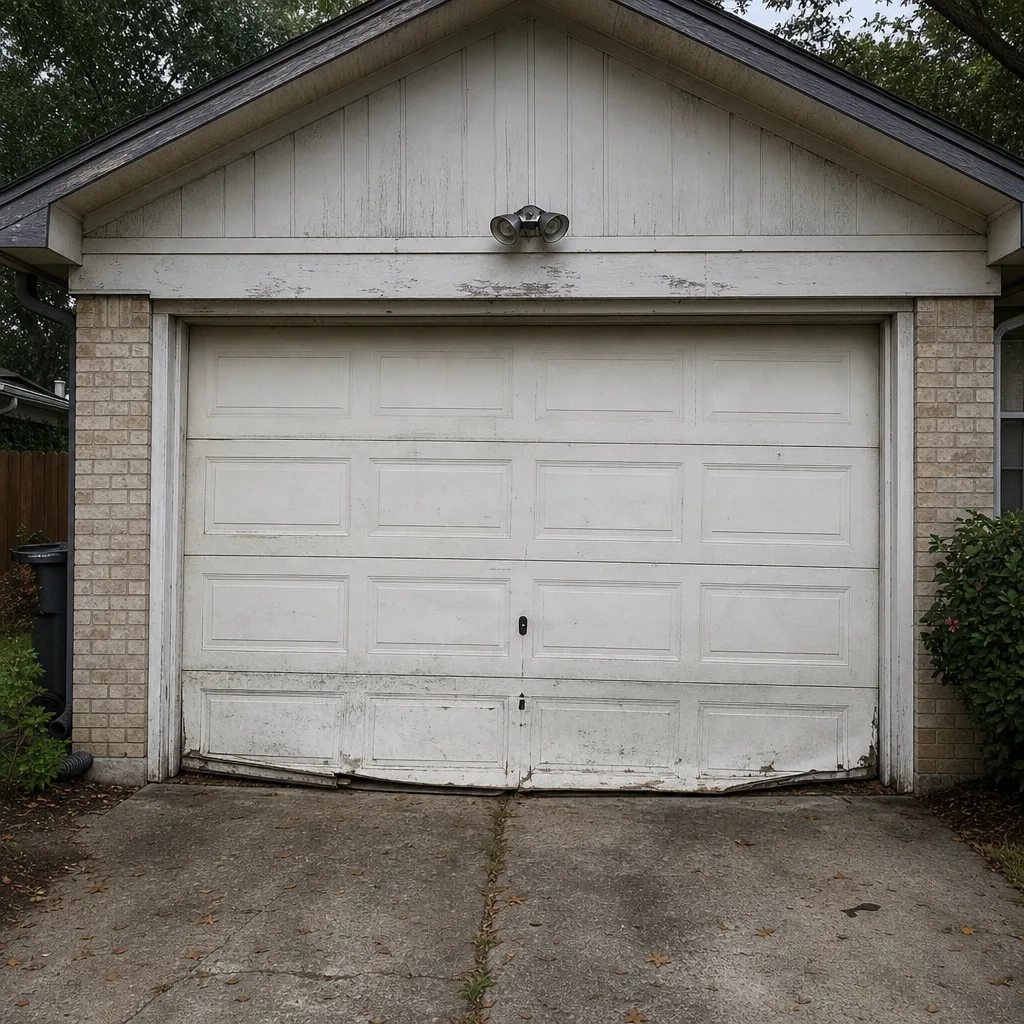 Before
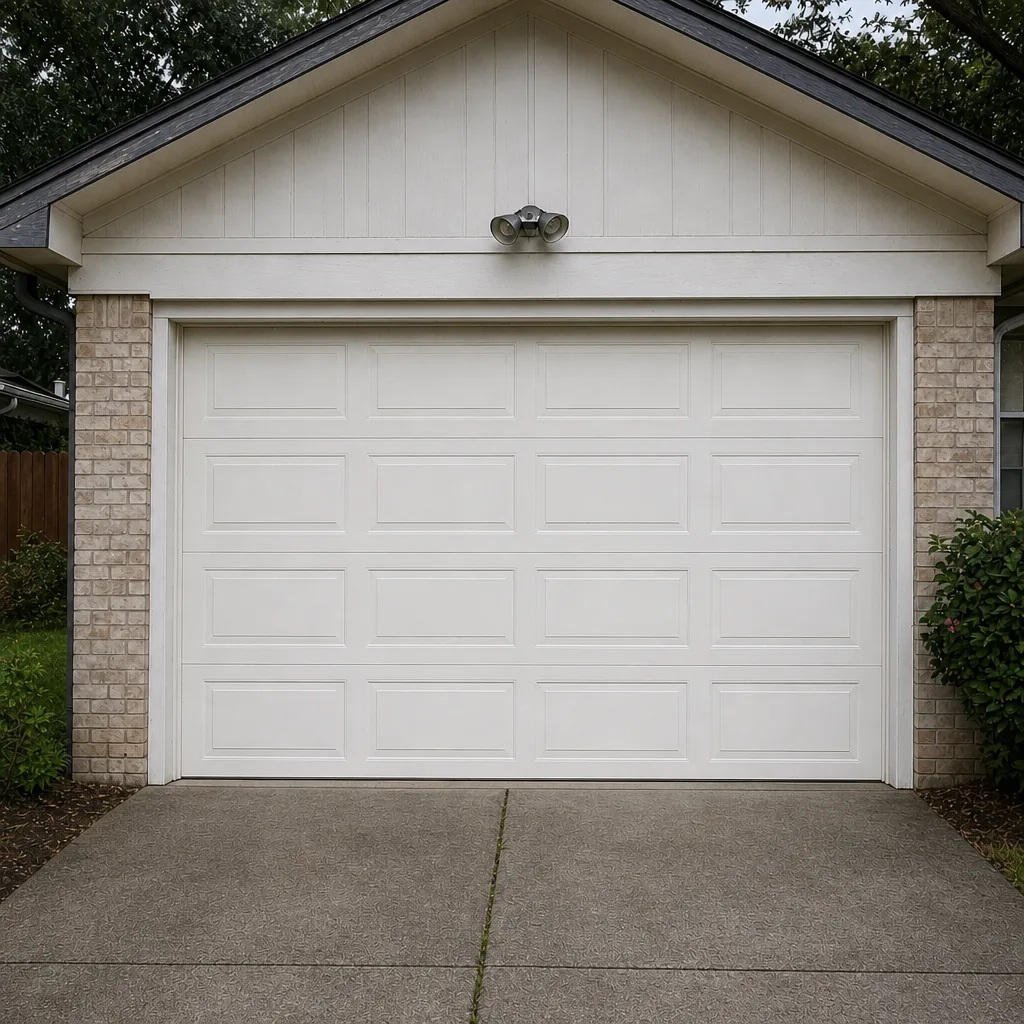 After
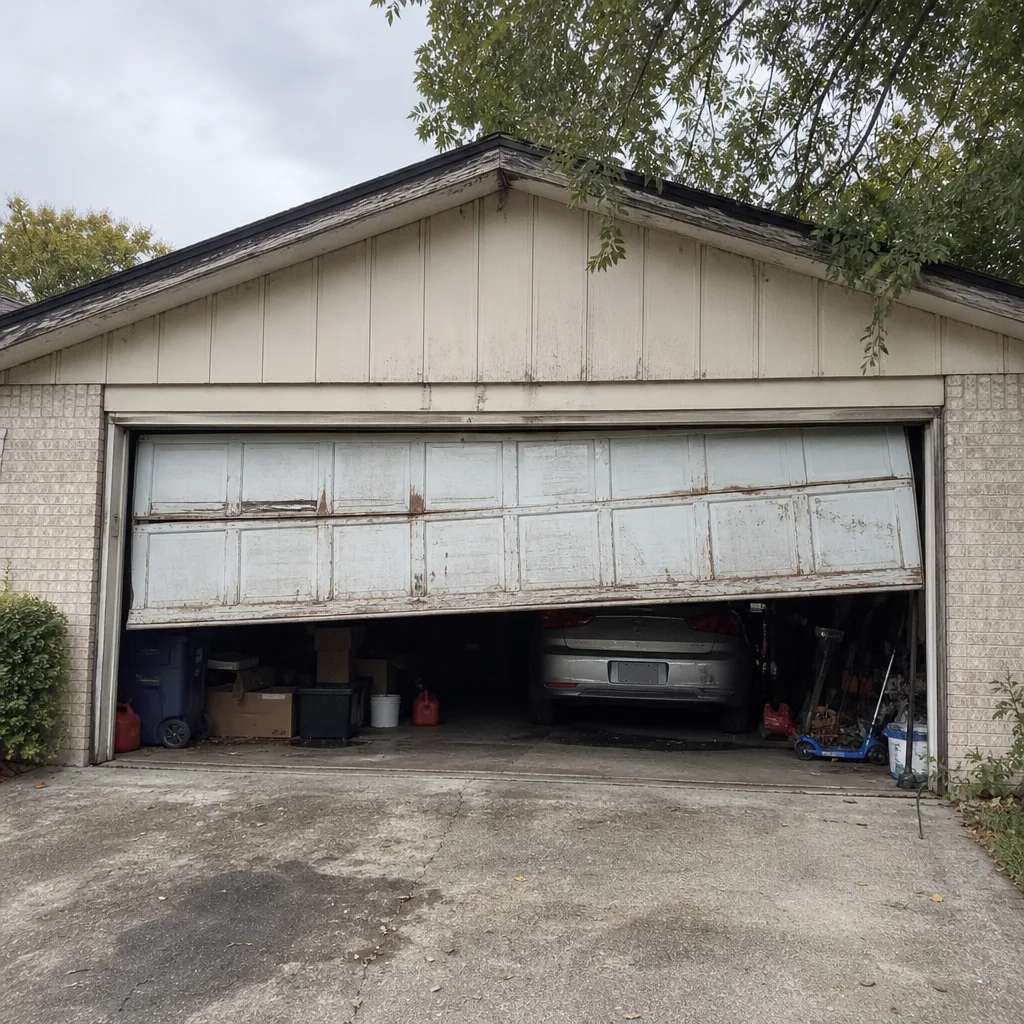 Before
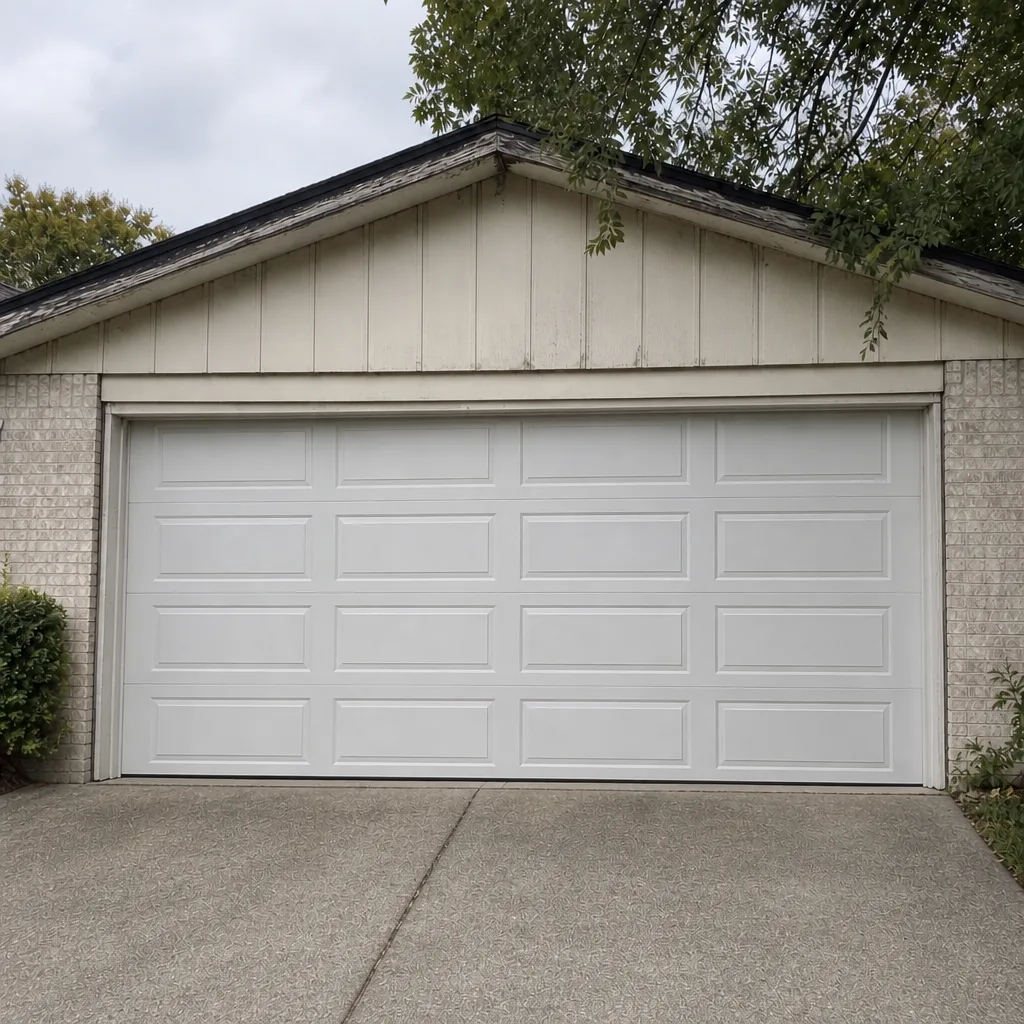 After
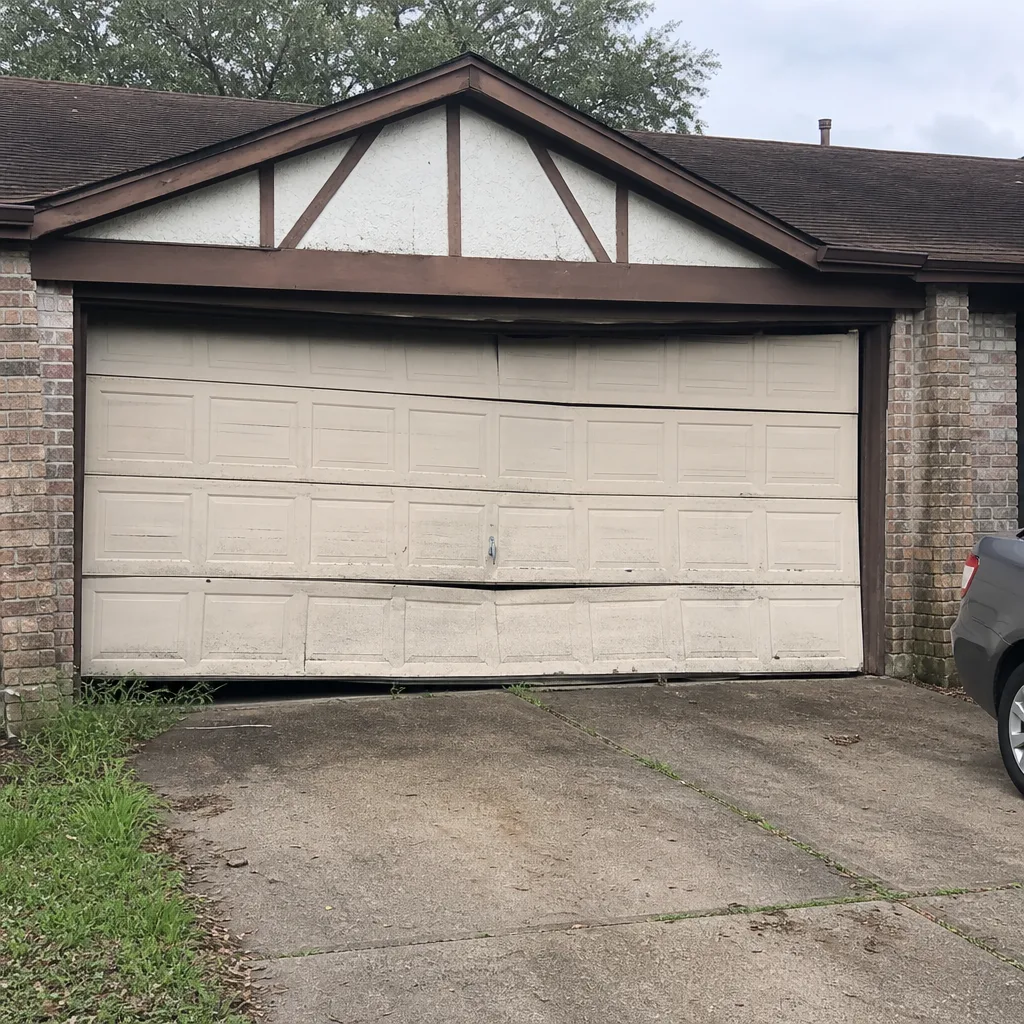 Before
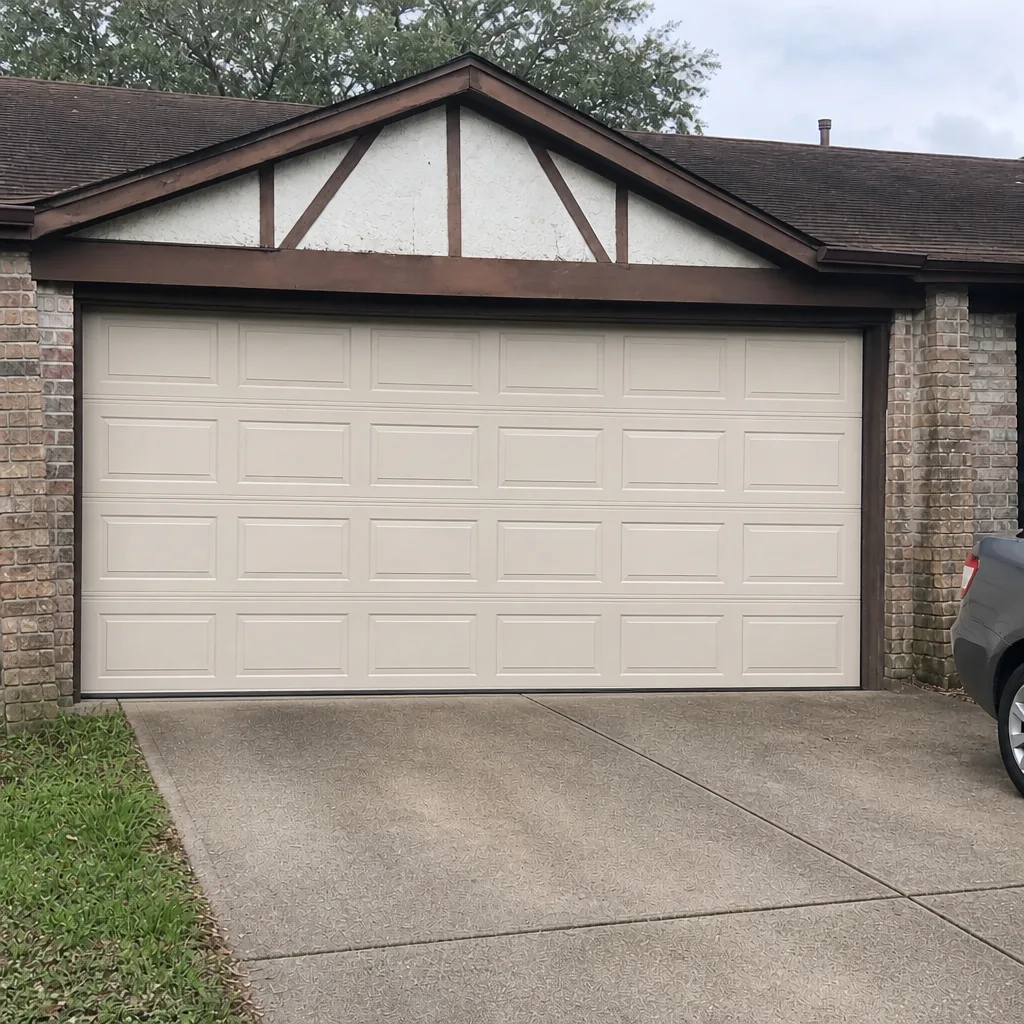 After
When to Call a Professional
Call us when you’re considering a replacement or an installation and aren’t sure which permits apply. We can look at the door, the opening, and the existing structure and tell you which track your project is on: routine same-size replacement, or a permitted project that needs documentation before the door is ordered. We also handle the parts of the job where the permit isn’t the concern but the work itself is: springs, cables, roller replacement, opener diagnostics, and the electrical and framing questions that come up alongside a door install. Our technicians have up to 8 years of experience and work on the brands most homes already have, including LiftMaster, Chamberlain, Genie, Clopay, Amarr, Wayne Dalton, Craftsman, and Raynor. Missouri City Garage Door Repair offers free estimates in Missouri City – call (855) 765-7303. A garage door that won’t close is a security issue, not a minor inconvenience, and we treat emergency calls accordingly.
Frequently Asked Questions
It depends on what kind of replacement. A like-for-like replacement of the same-size door in the same opening is often treated as permit-exempt, but anything that changes the opening size, reframes the header, adds a new opening, or includes new electrical work for an opener requires a permit. Confirm with Missouri City’s building department before you order the door, because the answer depends on your specific project, not a general rule. Call (855) 765-7303 and we’ll help you figure out which category your project falls into.
Garage doors in Fort Bend County must meet wind-load requirements set by Texas Department of Insurance provisions and local Fort Bend County code, and the door’s spec sheet should carry a rating that matches the design pressure for your home’s location. The requirement matters most after storm damage, because a replacement door typically has to meet the current standard rather than the one in place at original construction. Ask before you buy, because rated doors need rated anchoring hardware to keep their rating. Call (855) 765-7303 for a free estimate and we’ll help you read the spec sheet.
They’re separate tracks and you need both. HOA approval doesn’t replace a city permit, and a permit doesn’t override deed restrictions that govern door color, panel style, or material. Start both applications on the same day, use the same manufacturer spec sheet for both, and wait for written approval from each before the door is ordered or installed. Call (855) 765-7303 if you want help reading what your HOA packet is actually asking for.
The inspector checks structural, safety, and code compliance, not cosmetic appearance. On a permitted install, expect the inspector to look at framing and header attachment for any new opening, wind-load compliance for the door and its anchoring hardware, structural attachment of the track and springs, safety features including the photoelectric eye and reverse-on-contact test, electrical work if a new opener circuit was run, and weather sealing at the perimeter. The inspector does not check color match, panel style, opener brand, or how smooth the door operates under manual lift. Call (855) 765-7303 before your inspection if you want us to walk through the door and flag anything the inspector will look at.
Usually not. Replacing a spring with the correct replacement spring for the same door, or replacing a worn opener with a comparable unit on the existing circuit, is typically treated as routine repair and doesn’t require a permit. Running new electrical wiring for a new opener on a new circuit does require an electrical permit in most jurisdictions. Do not attempt a torsion spring replacement yourself, because high-tension springs are among the most injury-prone DIY repairs in home maintenance. Our technicians are trained on spring work and this is exactly the kind of job to hand to a professional. Call (855) 765-7303 for a free estimate.
It can, yes. Unpermitted work tends to surface during the buyer’s inspection, after you’ve accepted an offer, and you end up answering questions with a deadline attached. The permit creates a paper trail the buyer’s inspector, lender, and title company can reference, which keeps the transaction moving. If a door was replaced without a permit years ago, the fix is usually to have the work reviewed and, if needed, permitted retroactively. Call (855) 765-7303 and we’ll walk through what the door needs to be documented clean.
The Bottom Line
Permits for garage door work in Missouri City are mostly about the building envelope, not about the door. Same-size replacement in the same opening is often exempt. Size changes, new openings, new electrical circuits, and structural repairs after storm damage are not. Wind-load compliance matters most after a storm, because the replacement door usually has to meet the current standard. HOA approval and city permits run as parallel tracks; you need both, and starting them on the same day keeps the schedule clean. When you sell, the permit trail is what makes the door a non-issue. When in doubt, confirm with Missouri City’s building department and call us for the door work itself.
Missouri City Garage Door Repair offers free estimates on repair and installation projects across Missouri City. We work on the brands most homes already have, including Clopay, Amarr, Wayne Dalton, Craftsman, LiftMaster, Chamberlain, Genie, and Raynor. Call (855) 765-7303 for a free estimate, and if your door isn’t closing or a spring has snapped, tell us that when we pick up. We also handle emergency service for doors that won’t close, because that’s a security gap, not a next-week problem. Our technicians have up to 8 years of experience with springs, openers, panels, tracks, and complete door installs.
Written by the team at Missouri City Garage Door Repair.